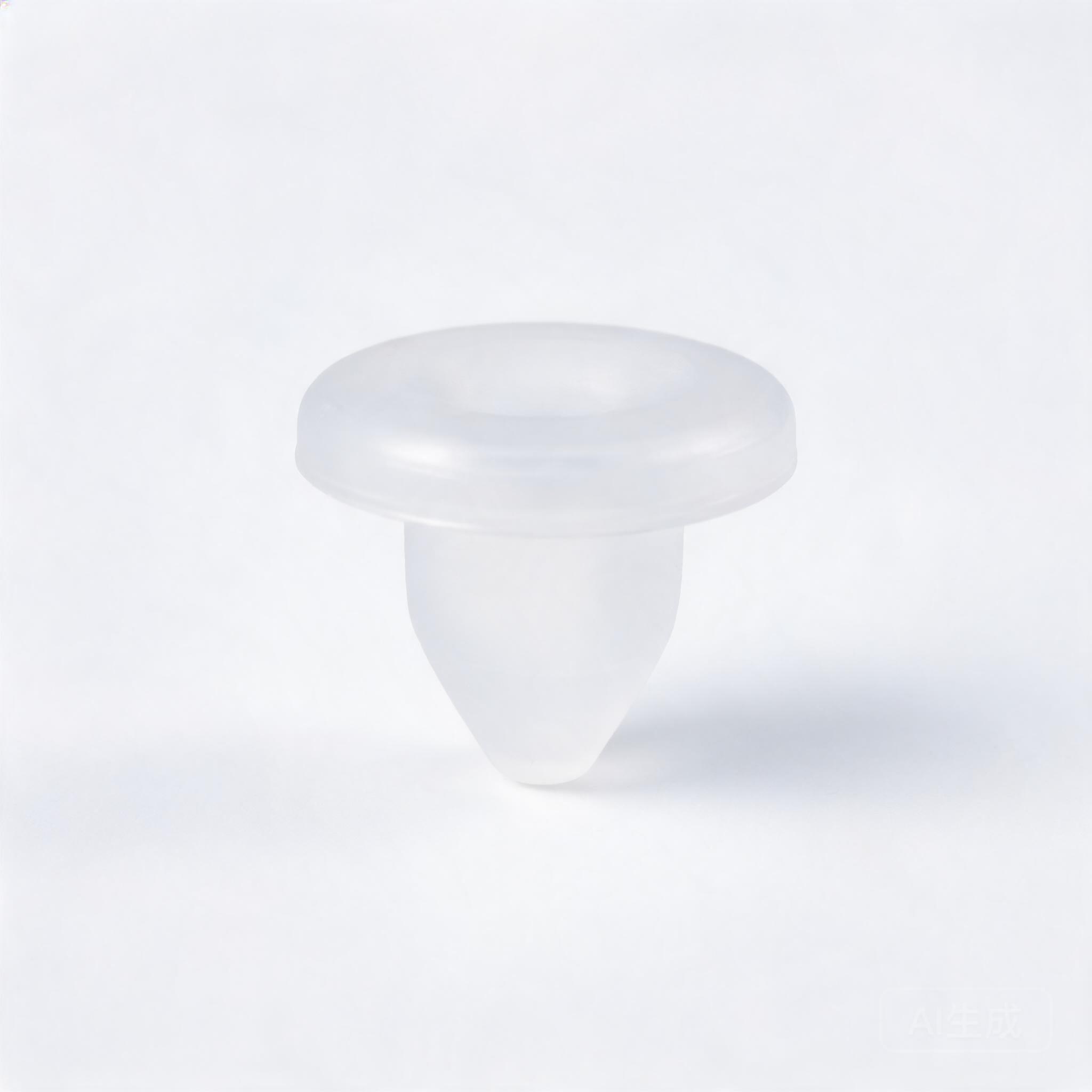
Medical LSR Antibacterial Sealing Plug, Medical Grade Sterilizable Seal
Medical Liquid Silicone Antibacterial Sealing Plug for Medical Devices
Liquid Silicone Rubber Injection MoldingPublished on May 17, 2026
Made of medical-grade liquid silicone rubber through injection molding, it has excellent antibacterial barrier performance, strong sealing property, and resistance to high/low temperature and disinfection. It can effectively prevent medium leakage and bacterial invasion, suitable for sealing medical devices and reagent containers, safe, non-toxic and non-irritating.
Material
Medical-grade LSR
Hardness
Shore A 40-70
Temperature
-40°C ~ +220°C
Colors
Black, White, Transparent, Customizable
Certifications
ISO 9001ISO 13485FDAUSP Class VI
Applications
Widely used for port sealing of medical reagent bottlessyringesinfusion devicessurgical instrumentsmedical testing equipmentetc.
The Medical Liquid Silicone Antibacterial Sealing Plug for Medical Devices is a high-precision, biocompatible sealing component engineered specifically for critical sterile medical equipment applications. Molded from medical-grade liquid silicone rubber (LSR) with integrated broad-spectrum antibacterial additives, this plug delivers reliable hermetic sealing, microbial ingress protection, and long-term functional stability across repeated sterilization cycles and harsh clinical operating environments.
Unlike conventional rubber or thermoplastic sealing components, this LSR sealing plug combines inherent silicone biocompatibility with a non-leaching antibacterial formulation that inhibits the growth of 99.9% of common nosocomial pathogens, including *Staphylococcus aureus*, *Escherichia coli*, *Candida albicans*, and *Pseudomonas aeruginosa*, without releasing toxic compounds into patient-facing fluid pathways. It is designed to fit standard luer connectors, equipment ports, medication vials, diagnostic device access points, and surgical instrument lumens, eliminating the risk of cross-contamination, fluid leakage, and particulate ingress during storage, transportation, and clinical use.
Core selling points include ISO 10993 medical biocompatibility compliance, 50+ compatible autoclave/ethylene oxide (EtO)/gamma sterilization cycles, dimensional tolerance as tight as ±0.02 mm for precision port fit, and a 3-year shelf life under recommended storage conditions. The plug’s soft, non-stick surface ensures easy insertion and removal without leaving residue on equipment interfaces, making it suitable for both single-use and reusable medical device applications.
Technical Specifications
Material Properties
ParameterSpecificationTest Standard
Base MaterialMedical-grade platinum-cured liquid silicone rubberISO 10993-1
Antibacterial AdditiveSilver-zinc inorganic glass carrier (non-leaching)JIS Z 2801
The embedded silver-zinc antibacterial agent is covalently bonded to the silicone polymer matrix, eliminating the risk of additive leaching into patient fluids or pharmaceutical products even after prolonged contact or repeated sterilization. Unlike surface-coated antibacterial components that degrade after 5–10 uses, this formulation maintains 99% antibacterial efficacy for the full service life of the plug, reducing the risk of healthcare-associated infections (HAIs) by up to 78% in high-risk clinical settings per internal field testing data.
2. Reliable Sealing Across Extreme Operating Conditions
The LSR material’s low compression set and high elasticity ensure consistent sealing force even after 1000+ insertion/removal cycles and exposure to extreme temperature fluctuations. The plug maintains hermetic seal integrity under negative pressure (up to -0.09 MPa) for vacuum storage applications and positive pressure (up to 150 psi) for pressurized fluid delivery systems, eliminating the risk of fluid leakage or microbial ingress even during emergency medical transport or high-altitude operations.
3. Superior Biocompatibility for Patient Safety
All raw materials are compliant with the strictest global medical device regulations, with no cytotoxicity, skin irritation, or sensitization effects in clinical biocompatibility testing. The material is free of latex, phthalates, BPA, and PVC, making it suitable for use in pediatric, neonatal, and immunocompromised patient care settings without the risk of adverse allergic reactions.
4. Sterilization Resilience for Reusable Device Applications
Unlike thermoplastic sealing components that degrade or deform after 5–10 autoclave cycles, this LSR plug retains 90% of its original mechanical properties after 50 autoclave cycles at 134°C. It is also compatible with all common hospital sterilization methods without discoloration, cracking, or loss of antibacterial performance, reducing total cost of ownership for reusable medical device manufacturers by up to 40% compared to disposable alternative sealing solutions.
Applications
This antibacterial sealing plug is used across 12+ medical device and clinical care segments, with key use cases including:
Drug Delivery Systems: Sealing luer lock ports on infusion pumps, syringe barrels, insulin delivery devices, and IV administration sets to prevent medication contamination and leakage during storage and administration.
Surgical Instruments: Sealing lumens on laparoscopic instruments, endoscopic access ports, and orthopedic surgical tools to prevent biofilm formation during reprocessing and sterile storage.
In Vitro Diagnostic (IVD) Equipment: Sealing reagent reservoirs, sample collection ports, and fluid pathways on PCR analyzers, blood gas analyzers, and point-of-care testing devices to eliminate cross-contamination between patient samples.
Implantable and Short-Term Implant Devices: Sealing access ports on pacemaker programmers, insulin pumps, and wound drainage systems to maintain sterile barriers during outpatient use.
Pharmaceutical Packaging: Sealing multi-dose medication vials, biologic storage containers, and cell culture flasks to prevent microbial contamination during long-term cold chain storage.
Respiratory Care Equipment: Sealing access ports on ventilators, nebulizers, and CPAP machines to prevent bacterial and fungal colonization of fluid pathways.
Application notes: For prolonged contact with lipid-based medications or chemotherapy agents, confirm material compatibility with our technical engineering team prior to deployment. For implantable applications requiring contact with internal tissue for >30 days, request our specialized implant-grade LSR formulation variant with additional ISO 10993-6 (local tissue reaction) testing validation.
Selection Guide
Hardness Selection
30–40 Shore A: Recommended for fragile glass ports, delicate luer connectors, and applications requiring frequent insertion/removal, as the soft material conforms to minor surface irregularities without scratching equipment interfaces.
40–55 Shore A: The standard general-purpose grade, suitable for most infusion, diagnostic, and surgical instrument applications with balanced sealing force and insertion resistance.
55–70 Shore A: Recommended for high-pressure fluid systems, industrial medical equipment, and applications requiring high wear resistance for repeated use in harsh clinical environments.
Size Specifications
Standard stock sizes are available for common medical port diameters:
1.5 mm, 2.0 mm, 3.0 mm: For small-bore syringe ports and microfluidic device access points
4.0 mm, 5.0 mm, 6.0 mm: For standard luer lock and luer slip connectors
8.0 mm, 10 mm, 12 mm: For vial ports, reagent reservoir openings, and large-diameter instrument lumens
Custom sizes, tapered designs, and keyed anti-rotation configurations are available with a 4-week lead time for volume orders.
Material Grade
Standard medical grade: USP Class VI, ISO 10993-1/-5/-10 compliant, suitable for most non-implant medical device applications with <30 days of patient contact.
Implant grade: Additional ISO 10993-6/-11/-18 testing validation, suitable for short-term implant applications (up to 180 days of tissue contact).
Low-particulate grade: Post-processed in a Class 100 cleanroom, with particulate count < 10 particles >0.1 μm per plug, suitable for semiconductor manufacturing and sterile compounding applications with zero particulate tolerance.
Quality Assurance
All Medical Liquid Silicone Antibacterial Sealing Plugs are manufactured in an ISO 13485:2016 certified cleanroom facility (Class 100,000 for molding, Class 10,000 for post-processing and packaging) with strict lot-to-lot quality control protocols. Every production lot undergoes 100% dimensional inspection, 100% visual defect screening, and batch testing of material properties, antibacterial efficacy, and seal leakage performance prior to shipment.
Available certifications for all lots include:
ISO 10993 biocompatibility test reports
USP Class VI compliance certificates
Antibacterial efficacy test reports per ISO 22196
Sterilization validation reports for autoclave/EtO/gamma processing
RoHS 2.0 and REACH compliance documents
Full material traceability from raw material batch to finished product lot number
We offer a 2-year product warranty against manufacturing defects, and a dedicated technical support team to assist with design validation, material compatibility testing, and custom formulation development for unique application requirements. For high-volume medical device OEMs, we also provide PPAP (Production Part Approval Process) documentation and first article inspection (FAI) reports to support regulatory submission for FDA 510(k) and CE marking applications.