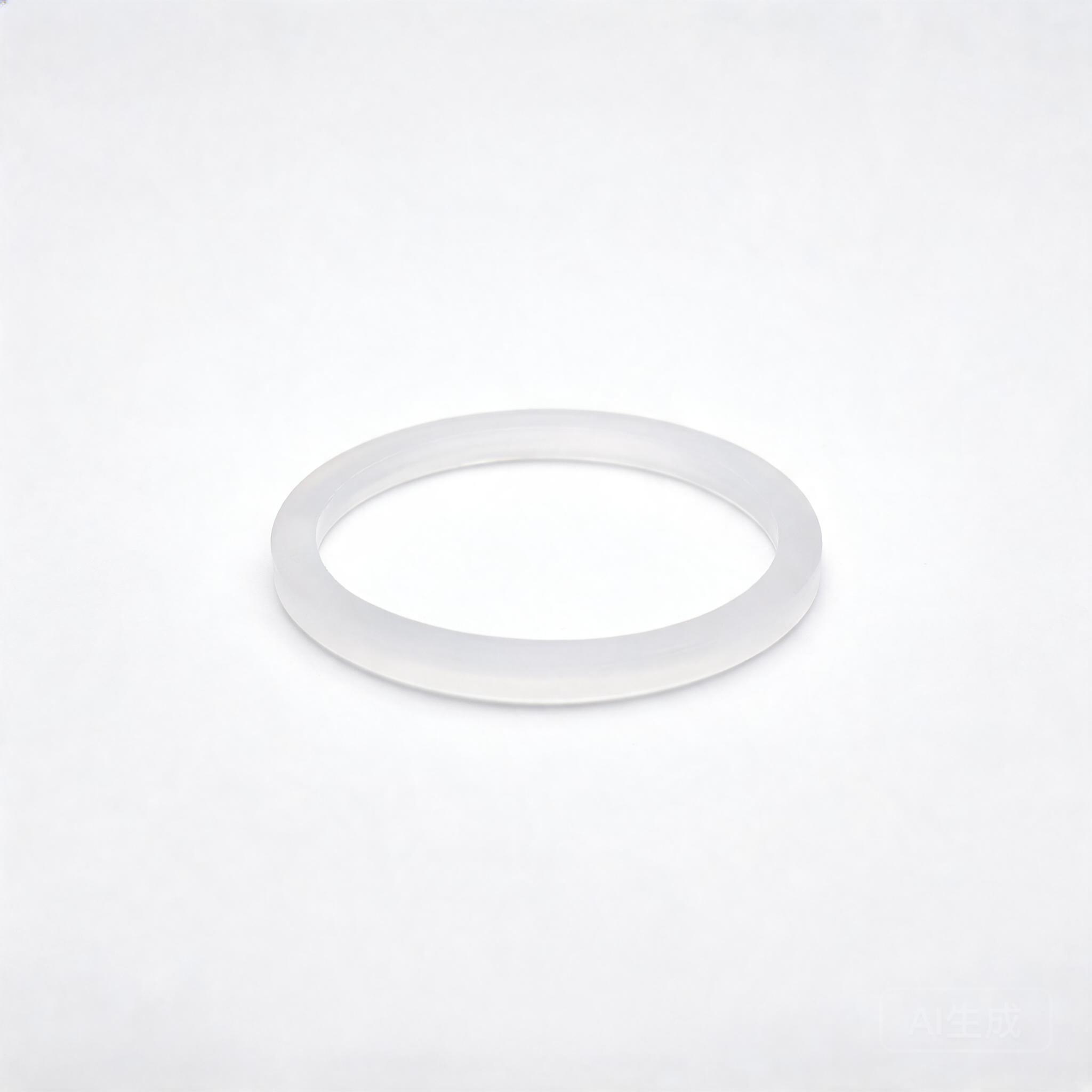
Medical Grade LSR Medical Sealing Gasket, Sterilization Resistant for Medical Devices
Medical Grade Liquid Silicone Medical Sealing Gasket for Medical Devices
Liquid Silicone Rubber Injection MoldingPublished on May 17, 2026
This liquid silicone medical sealing gasket is made of medical-grade LSR material, featuring excellent biocompatibility, resistance to autoclaving and chemical corrosion, with stable and long-lasting sealing performance. It fits the sealing needs of various medical devices, effectively prevents fluid leakage and bacterial invasion, and meets the strict safety standards of the medical industry.
Material
Medical-grade LSR
Hardness
Shore A 40-70
Temperature
-40°C ~ +230°C
Specifications
Density1.12-1.18 g/cm³
Curing Time30-120s (adjusted according to product thickness)
Color OptionsTranslucent/Medical Blue/Medical White (customizable)
Tear Strength≥30 kN/m
Hardness Range40-60 Shore A
Material GradeMedical Grade USP Class VI/ISO 10993
Compression Set≤15% (70℃×22h, 25% Compression)
Molding ProcessLiquid Silicone Injection Molding
Tensile Strength≥8 MPa
Surface TreatmentNative Matte/Plasma Treatment (optional on demand)
Curing Temperature120-150℃
articles.tableOfContents
Product Description
Related Tags
LSR medical sealing gasketmedical grade LSR sealmedical sealing gasketsilicone gasket for medical devicesterilization resistant silicone seal
Colors
Black, White, Transparent, Customizable
Certifications
ISO 9001ISO 13485FDAUSP Class VI
Applications
Widely used in static and dynamic sealing scenarios of various medical devices such as surgical instrumentsmedical pump bodiesinfusion equipmentdiagnostic instrumentsand medical containers...
Relevant Certification StandardsUSP Class VI, ISO 10993-5, ISO 10993-10, FDA 21 CFR 177.2600
# Medical Grade Liquid Silicone Medical Sealing Gasket for Medical Devices
Product Overview
Our Medical Grade Liquid Silicone (LSR) Medical Sealing Gasket is a high-precision sealing component engineered exclusively for critical medical device applications, manufactured via injection molding of medical-grade liquid silicone rubber that meets global biocompatibility standards. Designed to address the unique demands of the medical industry—including repeated sterilization, long-term biocompatibility, and consistent hermetic performance in high-stakes environments—this gasket outperforms conventional rubber, thermoplastic, and latex sealing solutions for medical use cases.
Core features include ultra-low extractable/leachable content, resistance to all common medical sterilization methods, and precision tolerance control as tight as ±0.02mm, ensuring a perfect fit even in miniaturized portable medical devices. Unlike traditional compression-molded rubber gaskets, our LSR gaskets have no flash, uniform material density, and zero porosity, eliminating the risk of fluid leakage or microbial ingress that could compromise patient safety. This product is optimized for both static sealing of device housings and dynamic sealing of moving components such as syringe plungers and surgical instrument actuators, delivering reliable performance across the entire product lifecycle of medical devices.
Technical Specifications
Material Properties
All gaskets are formulated with medical-grade LSR that complies with ISO 10993 and USP Class VI biocompatibility requirements, with no added plasticizers, latex, or harmful phthalates.
ParameterStandard ValueTest Method
BiocompatibilityUSP Class VI, ISO 10993-5 (cytotoxicity), ISO 10993-10 (skin sensitization/irritation), ISO 10993-11 (systemic toxicity)USP <88>, ISO 10993 series
Base PolymerPlatinum-catalyzed two-part liquid silicone rubber, 100% cross-linkedInternal raw material QC
Extractable Content<0.1% (total organic extractables after 72h ethanol extraction)USP <661>
Operating Temperature Range-60℃ to 220℃, short-term exposure up to 250℃ASTM D1457
Chemical ResistanceNo degradation when exposed to isopropyl alcohol (70%), povidone-iodine, common antibiotics, and pH 2~12 aqueous solutionsASTM D471
Physical Performance
The gasket’s physical properties are optimized to maintain sealing force even after thousands of use cycles or sterilization rounds, with minimal compression set.
ParameterStandard ValueTest Method
Hardness (Shore A)30~80 Shore A (customizable per application)ASTM D2240
Tensile Strength≥7 MPaASTM D412
Elongation at Break≥500%ASTM D412
Tear Strength≥30 kN/mASTM D624
Compression Set (22h @ 177℃, 25% compression)≤10%ASTM D395 Method B
Gas Permeability (N₂, 25℃)≤4.5 x 10⁻¹³ cm³·cm/(cm²·s·Pa)ASTM D1434
ColorTranslucent (standard), custom colors available for component identificationVisual inspection
Process Parameters
All gaskets are manufactured via high-precision liquid silicone injection molding under ISO 13485 certified cleanroom conditions, ensuring consistent part-to-part repeatability.
ParameterStandard ValueNotes
Molding Tolerance±0.02mm for dimensions <10mm; ±0.05mm for dimensions 10~50mm; ±0.1mm for dimensions >50mmMeet ISO 2768-f precision requirements
Maximum Part Diameter300mmCustom tooling available for larger formats
Minimum Wall Thickness0.15mmSuitable for microfluidic and wearable device applications
Cleanroom Production GradeClass 100,000 (ISO 8)Optional Class 10,000 (ISO 7) production for implantable use cases
Post-Molding ProcessingAutomatic deflashing, post-cure (4h @ 200℃) to remove residual volatile compoundsNo manual trimming to avoid contamination
Product Advantages
1. Industry-Leading Biocompatibility for Patient Safety
Unlike non-medical silicone gaskets, our formulation is free of carcinogenic byproducts, residual catalysts, and leachable additives that could cause adverse patient reactions. It passes the most stringent biological evaluation tests, making it safe for direct contact with intact skin, mucous membranes, and even short-term (≤30 days) contact with circulating blood and tissue. This eliminates the risk of inflammatory responses or cross-contamination between patients and medical devices.
2. Unmatched Sterilization Durability
The gasket retains 90% of its original sealing force and physical properties after 100+ autoclave cycles (134℃, 20min) or exposure to 50 kGy gamma irradiation, far outperforming EPDM or natural rubber gaskets which degrade after 10~20 sterilization cycles. This makes it ideal for reusable medical devices, reducing total cost of ownership for healthcare facilities by extending the service life of expensive equipment.
3. Precision Sealing for High-Reliability Applications
With tolerance control as tight as ±0.02mm, our gaskets eliminate gaps that could lead to fluid leakage, microbial ingress, or pressure loss in critical devices. The non-porous, fully cross-linked LSR structure creates a hermetic seal that maintains integrity even under pressure differentials of up to 10 bar, making it suitable for high-pressure applications such as infusion pumps and surgical insufflators.
4. Long Service Life with Low Maintenance
The low compression set (<10% after 22h at 177℃) means the gasket does not permanently deform even after years of compressed installation, eliminating the need for frequent seal replacements. Its inherent lubricity also reduces friction in dynamic sealing applications, minimizing wear on both the gasket and mating device components, and extending the mean time between failures (MTBF) of medical equipment.
Applications
Our medical LSR sealing gaskets are used across a wide range of medical device segments, with application-specific formulation and hardness tuning available for each use case:
Drug Delivery Devices: Seals for infusion pumps, insulin pens, syringe plungers, and nebulizer medication chambers, ensuring accurate dosage delivery and preventing drug contamination.
Surgical Instruments: Seals for laparoscopic trocars, electrosurgical device housings, and sterile surgical tool connectors, withstanding repeated sterilization and preventing surgical site contamination.
In Vitro Diagnostic (IVD) Equipment: Seals for microfluidic chips, PCR instrument sample chambers, and blood analysis device fluidic systems, with low extractable content to avoid interfering with test results.
Respiratory Care Devices: Seals for ventilator circuits, CPAP mask interfaces, and oxygen concentrator valves, with biocompatibility for prolonged skin contact and resistance to humidified air and medication aerosols.
Implantable and Short-Term Implant Devices: Custom-formulated gaskets for pacemaker programmer interfaces and catheter access ports, with ISO 10993-11 compliance for short-term tissue contact.
Portable/Wearable Medical Devices: Ultra-thin, lightweight gaskets for continuous glucose monitors (CGMs) and wearable ECG monitors, with IP67/IP68 ingress protection against sweat and water exposure.
Selection Guide
Hardness Selection
The optimal hardness of the gasket depends on its intended application:
30~40 Shore A: Recommended for dynamic sealing applications (e.g., syringe plungers, valve stems) and soft mating surfaces (e.g., plastic device housings), as lower hardness delivers higher conformability and lower friction.
50~60 Shore A: The universal standard for most static sealing applications (e.g., device housing seals, fluid connector seals), balancing sealing force, compression resistance, and durability.
70~80 Shore A: Recommended for high-pressure applications (≥5 bar) and applications with frequent assembly/disassembly, as higher hardness resists extrusion and mechanical damage.
Size Specifications
We offer both standard off-the-shelf gaskets in common O-ring, rectangular, and custom profile formats, as well as fully custom designs tailored to your device’s mating interface:
Standard O-rings: Available in all AS568 and ISO 3601 standard sizes, with immediate delivery for prototyping and low-volume production.
Custom profiles: Support for complex geometries including lip seals, multi-lobe seals, and overmolded gaskets directly integrated into plastic or metal device components, with tooling lead times of 2~4 weeks.
Micro gaskets: Minimum outer diameter of 1mm and minimum wall thickness of 0.15mm, designed for miniaturized diagnostic and wearable devices.
Material Grade
Three material grade options are available to match your device’s risk classification and contact duration:
General Medical Grade (Standard): USP Class VI and ISO 10993-5/-10 compliant, suitable for non-invasive devices with skin/mucous membrane contact, such as respiratory masks and external diagnostic equipment.
Blood/ Tissue Contact Grade: ISO 10993-4 (hemocompatibility) and ISO 10993-11 compliant, suitable for devices with short-term contact with blood or tissue, such as catheters and surgical instrument seals.
Implantable Grade: Formulated for long-term (≥30 days) implantation, with ultra-low residual monomer content and additional long-term biocompatibility testing, suitable for implantable device seals.
Quality Assurance
All our medical LSR sealing gaskets are manufactured in facilities certified to ISO 13485:2016 medical device quality management system standards, with full traceability from raw material batch to finished part shipment.
Each production lot undergoes rigorous quality control testing, including dimensional verification via coordinate measuring machine (CMM), biocompatibility batch testing, compression set testing, and sterilization compatibility validation. We provide a full device master record (DMR) package for all custom parts, including material test reports (MTRs), process validation reports, and sterilization validation data, to support your medical device regulatory submission (FDA 510(k), CE MDR, etc.).
All gaskets are packaged in double-layered, gamma-sterilizable PE bags in an ISO 8 cleanroom environment, with lot numbers and expiration dates clearly marked on each package. We offer optional pre-sterilization (EtO or gamma irradiation) before shipment for immediate use in sterile device assembly. Our product comes with a 2-year shelf life guarantee under recommended storage conditions (15~25℃, 40~60% relative humidity, away from direct sunlight and UV radiation), and we provide full technical support for gasket design, material selection, and application testing throughout your product development cycle.