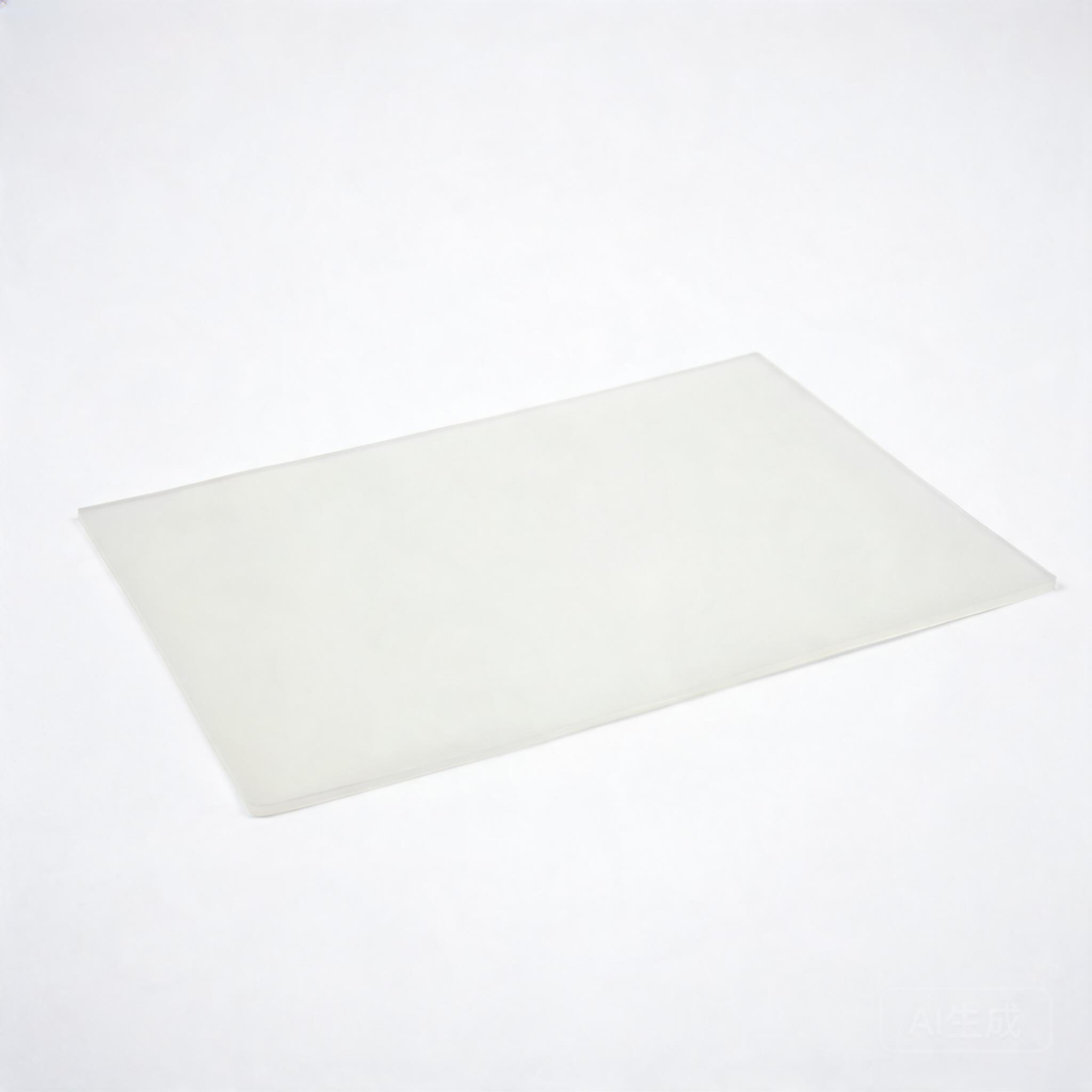
Product Overview
The Liquid Silicone Automotive Electronic Insulation Sheet High Temperature Resistant Gasket is a high-performance insulating component engineered specifically for the harsh operating environments of automotive electronic systems. Manufactured via precision liquid silicone rubber (LSR) injection molding processes, this product combines excellent electrical insulation, extreme temperature stability, and reliable sealing performance to protect sensitive automotive electronic modules against short circuits, thermal runaway, moisture, and fluid intrusion.
As a critical safety and functional part tailored for the automotive industry, it addresses the core pain points of traditional insulating materials (such as polyethylene terephthalate (PET), polyimide (PI), and butyl rubber gaskets) including high-temperature embrittlement, poor compression set, and limited long-term reliability in electrified vehicle platforms. Its unique formulation is optimized to maintain consistent performance across wide temperature fluctuations, high-voltage exposure, and long-term vibration loads, making it ideal for both 12V conventional vehicle electronic systems and 400V/800V high-voltage new energy vehicle (NEV) subsystems.
Core selling points include UL 94 V-0 flammability rating, <0.001 W/(m·K) thermal conductivity (for targeted heat isolation between adjacent components), resistance to automotive-grade chemicals, and customizable thickness, shape, and adhesive backing options to match diverse assembly requirements.
Technical Specifications
Material Properties
ParameterStandardValue RangeNotes
Base Material-Medical/food/automotive-grade liquid silicone rubberCustomizable for specific grade requirements
Hardness (Shore A)ASTM D224030–7040–50 Shore A is the standard for most automotive sealing applications
Flammability RatingUL 94V-0 (1.5 mm thickness)Self-extinguishing, no molten drips during combustion
Volume ResistivityASTM D257≥1×10¹⁶ Ω·cmMaintains ≥1×10¹⁴ Ω·cm after 1000 hours of 85°C/85% RH aging
Dielectric StrengthASTM D149≥22 kV/mmWithstands 15 kV AC voltage for 1 minute without breakdown at 150°C
Dielectric ConstantASTM D1502.8–3.2 (1 MHz)Stable across -40°C to 200°C temperature range
Dissipation FactorASTM D150≤0.002 (1 MHz)Minimal electrical loss under high-frequency operating conditions
Chemical Compatibility-Resistant to engine oil, transmission fluid, coolant, road salt, and weak acidsNo swelling or performance degradation after 1000 hours of immersion at 80°C
Physical Performance
ParameterStandardValue RangeNotes
Operating Temperature Range--60°C to +220°CShort-term exposure up to 250°C for 100 cycles without cracking
Tensile StrengthASTM D412≥6 MPaResists tearing during assembly and long-term vibration
Elongation at BreakASTM D412≥350%Adapts to thermal expansion and contraction of mating metal and plastic components
Compression SetASTM D395 (Method B, 22h at 150°C)≤10%Maintains consistent sealing pressure for over 15 years of service life
Tear StrengthASTM D624≥15 kN/mPrevents crack propagation under repeated mechanical stress
Water AbsorptionASTM D570≤0.1%Avoids insulation performance degradation in high-humidity environments
Weathering ResistanceASTM G154 (QUV 340 nm, 1000h)No cracking, discoloration, or performance lossSuitable for under-hood and exterior-mounted electronic components
Process Parameters
ParameterValue RangeNotes
Standard Sheet Thickness0.1 mm – 5.0 mmTolerance: ±0.02 mm for thickness <1 mm, ±5% for thickness ≥1 mm
Maximum Sheet Size600 mm × 1200 mmCustom die-cut shapes with complex cutouts, notches, and alignment holes supported
Adhesive Backing Options3M 9448A acrylic adhesive, Dow Corning 732 silicone adhesiveOptional release liner for easy peel-and-stick assembly
Surface TreatmentPlasma treatment, matte/glossy surfaceImproved adhesion to metal, plastic, and PCB substrates
Customization Tolerance±0.05 mm for die-cut dimensionsMeets IPC-A-610 Class 3 assembly requirements
Product Advantages
1. Superior High-Temperature Stability for Harsh Automotive Environments
Unlike conventional PI or PET insulating films that become brittle and lose insulation performance at temperatures above 120°C, this LSR insulation sheet maintains stable electrical and mechanical properties at continuous 220°C operating conditions, making it suitable for under-hood electronic control units (ECUs) positioned close to engine components, and high-voltage power modules that generate significant heat during operation. It eliminates the risk of insulation failure caused by thermal aging, a common failure point in NEV high-voltage systems.
2. Exceptional Electrical Insulation for High-Voltage Safety
With a dielectric strength of ≥22 kV/mm and volume resistivity exceeding 10¹⁶ Ω·cm, the gasket provides reliable electrical isolation for 800V NEV high-voltage architectures, preventing arc discharge and short circuits between adjacent high-voltage components and low-voltage signal circuits. Its dielectric properties remain consistent across wide temperature and humidity ranges, ensuring compliance with ISO 6469 electric vehicle safety standards.
3. Low Compression Set for Long-Term Sealing Reliability
The product’s ≤10% compression set after 22 hours of aging at 150°C means it retains over 90% of its original elastic recovery force after years of being compressed between housing components. This ensures consistent sealing performance against moisture, dust, and automotive fluids, extending the service life of electronic modules to meet the automotive industry’s 15-year/200,000 km durability requirements, outperforming EPDM rubber gaskets which typically exhibit 30%+ compression set under identical conditions.
4. Design Flexibility for Custom Application Requirements
The LSR molding process supports highly customizable geometries, including complex cutouts for connectors, integrated sealing ribs, and variable thickness zones to match the contours of specific electronic module housings. Available with acrylic or silicone pressure-sensitive adhesive backings, the gaskets can be directly applied to PCB surfaces or metal housings, reducing assembly time and eliminating the need for additional fasteners.
Applications
This liquid silicone insulation sheet is widely deployed across conventional internal combustion engine (ICE) vehicles and new energy vehicles, with core use cases including:
- Battery Management System (BMS) Modules: Provides electrical isolation between BMS circuit boards and aluminum battery pack housings, while sealing against coolant intrusion and isolating BMS components from heat generated by battery cells.
- **Power Distribution Unit (PDU) and On-Board Charger (OBC) Gaskets: Insulates high-voltage busbars from PDU metal enclosures, and seals OBC units against dust and moisture for outdoor and under-hood mounting.
- **ECU and Domain Controller Insulation: Seals and insulates engine control units, ADAS (Advanced Driver Assistance System) domain controllers, and infotainment system mainboards against short circuits caused by metal shavings, moisture, or fluid splashes.
- **High-Voltage Connector Sealing Gaskets: Installed at the mating interface of high-voltage wiring harness connectors to provide insulation between connector pins and metal shells, while preventing water intrusion in under-chassis mounting positions.
- **Motor Controller and Inverter Insulation Pads: Isolates IGBT (Insulated Gate Bipolar Transistor) heat sinks from inverter metal housings, while maintaining electrical insulation under continuous high-temperature operation.
Selection Guide
Hardness Selection
- 30–40 Shore A: Recommended for applications requiring high conformability, such as sealing uneven housing surfaces or components with low clamping force. Suitable for infotainment ECUs and low-voltage sensor modules.
- 40–50 Shore A: Standard grade for most automotive electronic applications, balancing sealing performance, compression resistance, and insulation properties. Ideal for BMS, PDU, and OBC modules.
- 50–70 Shore A: Suitable for high-pressure sealing scenarios, such as high-voltage connector gaskets and inverter housing seals that require resistance to high mechanical stress and vibration.
Size Specifications
- Thickness selection:
- 0.1–0.3 mm: For high-density PCB applications with limited space, requiring only electrical isolation without significant sealing requirements.
- 0.5–1.0 mm: For general insulation and sealing applications, balancing insulation performance and space occupation.
- 1.0–5.0 mm: For applications requiring both insulation and impact/vibration damping, such as under-hood ECUs exposed to continuous engine vibration.
- Dimension customization: Provide 2D/3D drawings for custom die-cutting, with support for integrated positioning holes, connector cutouts, and sealing ribs to match specific assembly requirements.
Material Grade
- Standard Automotive Grade: Meets RoHS 2.0 and REACH compliance, suitable for most non-exposed automotive electronic modules.
- High-Voltage Grade: Formulated with enhanced dielectric strength (≥28 kV/mm) for 800V NEV high-voltage systems, compliant with ISO 6469 and GB 38031 electric vehicle safety standards.
- Flame-Retardant Grade: Enhanced UL 94 V-0 flammability performance at 0.5 mm thickness, required for battery pack internal insulation applications.
Quality Assurance
Our liquid silicone automotive electronic insulation sheets are manufactured in IATF 16949 certified production facilities, with strict quality control processes implemented across the entire production chain:
- Incoming material inspection: All LSR raw materials are tested for hardness, tensile strength, and dielectric properties before entering the production line, with batch traceability records maintained for 15 years.
- In-process quality control: Each production batch undergoes real-time monitoring of molding temperature, pressure, and curing time, with 100% dimensional inspection of key dimensions using high-precision image measuring instruments.
- Finished product testing: Each batch is subjected to type testing including dielectric strength testing, compression set testing, high-temperature aging testing, and flammability testing before shipment.
The product holds the following certifications: IATF 16949 automotive quality management system certification, UL 94 V-0 flammability certification, RoHS 2.0 and REACH compliance, and ISO 6469 electric vehicle safety component certification. We provide a 5-year quality guarantee for products used under specified operating conditions, with free technical support for material selection, design optimization, and assembly process guidance.