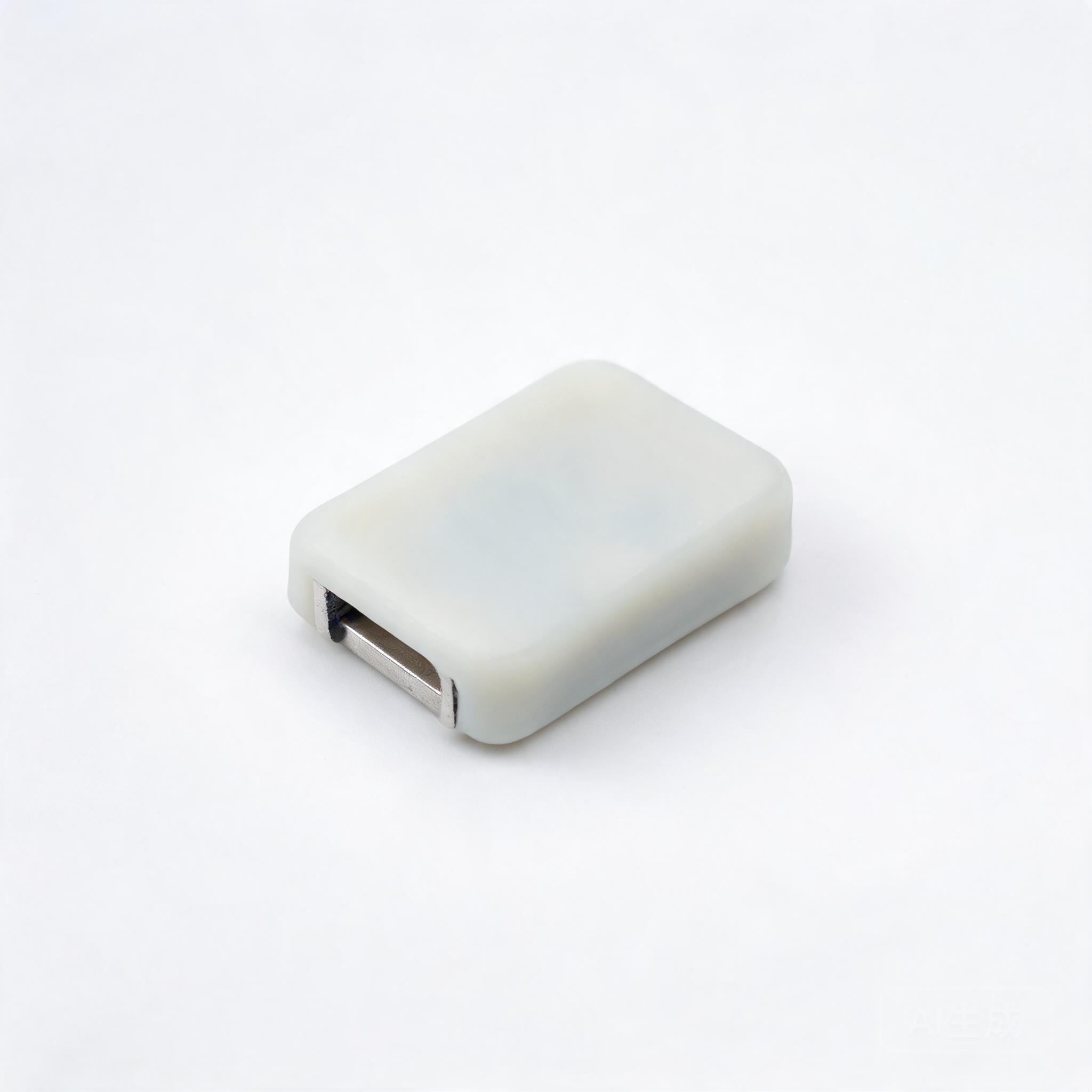
# High Temperature Resistant Liquid Silicone Overmolding Parts
Product Overview
High Temperature Resistant Liquid Silicone Overmolding Parts are precision-engineered composite components that integrate medical/industrial-grade liquid silicone rubber (LSR) with rigid or flexible substrate materials (including thermoplastics, metals, glass, and continuous fiber composites) via a one-step or two-step injection overmolding process. Designed for long-term operation in extreme thermal environments, these parts deliver a unique combination of high-temperature stability, substrate bonding strength, sealing performance, and mechanical durability that cannot be achieved by single-material components.
Unlike conventional room-temperature vulcanizing (RTV) silicone coating or compression molded overmolds, our LSR overmolding parts feature consistent, void-free bonding interfaces with peel strength exceeding 6 N/mm for compatible substrates, eliminating delamination risks even under repeated thermal shock. The core high-temperature resistant LSR formulation maintains stable performance across a continuous operating temperature range of -60°C to +280°C, with short-term peak temperature resistance up to 310°C, making them suitable for demanding use cases where standard elastomers such as EPDM, nitrile rubber, or general-purpose LSR would degrade, crack, or lose adhesion.
Key selling points include customizable formulation tuning for specific application requirements, tight dimensional tolerance control up to ±0.02 mm for high-precision assemblies, compliance with global industry safety standards, and low total cost of ownership compared to assembled multi-part sealing or insulation solutions.
Technical Specifications
Material Properties
The core silicone matrix of our high-temperature overmolding parts uses a platinum-catalyzed addition-cure LSR formulation with optimized fumed silica reinforcement and high-temperature stabilizer packages, delivering the following baseline material properties:
ParameterTest StandardValue Range
Continuous Operating TemperatureASTM D1329-60°C to +280°C
Short-Term Peak Temperature Resistance (≤1 hour exposure)ASTM D794Up to 310°C
Thermal ConductivityASTM E15300.23 to 2.1 W/(m·K) (customizable for thermal management applications)
Tensile StrengthASTM D4125.5 to 12 MPa
Elongation at BreakASTM D412220% to 580%
Compression Set (220°C, 70h, 25% compression)ASTM D395 Method B≤8%
Bond Peel Strength (to PPS, PA66, aluminum substrates)ASTM D9034 to 7.5 N/mm
Flammability RatingUL 94V-0 (standard grade) / HB (low-smoke grades available)
Food Contact ComplianceFDA 21 CFR 177.2600, EU 10/2011Pass (food-contact grades)
BiocompatibilityISO 10993-5, ISO 10993-10Pass (medical grades)
Physical Performance
The finished overmolded parts meet the following physical performance requirements, validated via accelerated aging and environmental cycling tests:
- Thermal aging resistance: After 1000 hours of continuous exposure at 250°C, tensile strength retention ≥85%, elongation at break retention ≥75%, no visible cracking or discoloration, and bond interface peel strength retention ≥90%.
- Thermal shock resistance: After 200 cycles between -40°C and 260°C (30 minutes dwell time per extreme, 10 second transition time), no delamination, bubbling, or seal failure occurs.
- Chemical resistance: Resists degradation from common automotive, aerospace, and industrial fluids including engine oil, transmission fluid, hydraulic oil, weak acids, and neutral cleaning agents; retains ≥80% of original mechanical properties after 500 hours of immersion at 150°C.
- Electrical insulation: Dielectric strength ≥22 kV/mm, volume resistivity ≥1×10¹⁴ Ω·cm, dielectric constant 2.8 to 3.2 at 1 kHz, suitable for high-voltage electrical insulation applications in high-temperature environments.
- UV and weather resistance: For outdoor applications, UV-stabilized grades retain ≥90% of mechanical properties after 1000 hours of QUV accelerated weathering testing.
Process Parameters
Our overmolding process is optimized to ensure consistent bond strength and part quality, with the following standard processing parameters (adjustable based on substrate type and part geometry):
Process StepParameter Range
LSR Material Preheating25°C to 30°C, 1:1 mixing ratio of base and curing agent, vacuum degassing ≤5 mbar to eliminate voids
Substrate Pre-TreatmentPlasma treatment (power 300 to 800 W, treatment time 3 to 15 s) for non-polar plastics; silane primer coating for metals and glass
Mold Temperature170°C to 195°C (cavity side), 165°C to 185°C (core side)
Injection Pressure80 to 160 bar, adjusted based on part wall thickness (minimum fillable wall thickness 0.15 mm)
Curing Time30 to 120 s per mm of silicone wall thickness
Post-Curing (optional, for maximum high-temperature performance)200°C for 2 to 4 hours in a forced-air oven
Product Advantages
1. Industry-Leading High-Temperature Stability
Unlike standard LSR overmolds that degrade at temperatures above 200°C, our specially formulated high-temperature LSR maintains consistent elasticity, sealing performance, and bond strength even after thousands of hours of exposure at 250°C. The optimized stabilizer package prevents silicone chain scission and oxidation, eliminating the brittleness, cracking, and adhesion failure common in lower-grade overmolded parts used in high-heat environments.
2. Superior Substrate Bonding Reliability
Our proprietary surface pre-treatment process and adhesion-promoting LSR formulations create a permanent, chemical bond between the silicone layer and substrate, rather than a mechanical grip alone. This eliminates the need for secondary adhesives that can degrade at high temperatures, reduces assembly labor costs, and ensures zero delamination even under repeated thermal cycling, vibration, and fluid exposure. For high-demand applications, we offer optional surface grafting treatments that increase bond strength by up to 30% compared to standard plasma pre-treatment.
3. Precision Customization for Complex Geometries
Our high-precision LSR injection molding equipment supports overmolding on complex substrate geometries including undercuts, micro-features, and 3D contoured surfaces, with dimensional tolerances as tight as ±0.02 mm for critical sealing and mating surfaces. We can also customize the silicone layer’s hardness, color, thermal conductivity, and chemical resistance to match specific application requirements, including conductive silicone grades for ESD protection and anti-microbial grades for medical and food processing applications.
4. Long Service Life and Low Total Cost of Ownership
The high-temperature resistant overmolded parts have an expected service life 3 to 5 times longer than equivalent EPDM or nitrile rubber overmolds in high-temperature environments, reducing maintenance frequency and replacement costs. The single-piece overmolded design also eliminates leak paths common in assembled multi-component seals, reducing the risk of costly equipment downtime and product failures.
Applications
Automotive and E-Mobility
High temperature resistant silicone overmolding parts are widely used in electric vehicle (EV) and internal combustion engine (ICE) powertrain systems, including:
- Overmolded busbars and high-voltage connectors for EV battery packs, providing electrical insulation and sealing for operating temperatures up to 200°C
- Seals and gaskets for engine intake manifolds, exhaust gas recirculation (EGR) systems, and turbocharger components, resisting long-term exposure to 250°C exhaust gases
- Overmolded temperature and pressure sensors for transmission and brake systems, ensuring accurate signal transmission under extreme thermal cycling
- Charging port seals for EVs, delivering weather resistance and thermal stability during high-power DC fast charging
Industrial and Manufacturing
In industrial equipment, these parts address extreme thermal demands in:
- Overmolded heating element seals for industrial ovens, food processing equipment, and plastic injection molding machines, with food-contact compliant grades available for commercial cooking equipment
- Sealing and insulation components for high-temperature pipeline systems in chemical processing plants, resisting both high temperatures and corrosive fluid exposure
- Overmolded gripper pads for high-temperature robotic handling systems in metal forging and glass manufacturing, maintaining grip and abrasion resistance at 280°C
Aerospace and Defense
The parts meet strict aerospace performance requirements for applications including:
- Overmolded connectors and wiring harness seals for aircraft engine compartments and auxiliary power units (APUs), withstanding extreme temperature fluctuations at high altitudes
- Sealing components for rocket propulsion system ground support equipment, resisting short-term exposure to 310°C high-temperature gases
- Vibration damping pads for avionics equipment, maintaining cushioning performance across -55°C to 260°C operating ranges
Medical and Life Sciences
For high-temperature medical applications:
- Overmolded surgical instrument handles and seals for autoclave-sterilizable medical devices, withstanding repeated 134°C steam sterilization cycles without degradation or delamination
- Seals for high-temperature fluid transfer systems in pharmaceutical manufacturing equipment, complying with USP Class VI biocompatibility requirements
Selection Guide
Hardness Selection
Choose silicone shore hardness based on your application’s functional requirements:
- 30 to 40 Shore A: Recommended for sealing applications requiring high compression conformity and low closure force, such as gasket seals for irregular mating surfaces and soft-touch grips for low-impact use cases
- 50 to 60 Shore A: General-purpose hardness suitable for most overmolding applications, balancing sealing performance, wear resistance, and mechanical strength for connector seals, sensor housings, and general industrial parts
- 70 to 80 Shore A: Recommended for high-wear and high-load applications, such as robotic gripper pads, structural overmolds, and components subject to high fluid pressure or mechanical abrasion
Size Specifications
We offer fully customizable part sizes to match your design requirements, with the following standard processing limits:
- Maximum part dimensions: 800 mm × 600 mm × 200 mm, suitable for large-format seals and structural overmolds
- Minimum silicone layer thickness: 0.15 mm for thin-wall insulation applications, 0.5 mm minimum for consistent sealing performance
- Minimum feature resolution: 0.05 mm for micro-grooves, logos, and alignment marks on the silicone surface
- For parts requiring ultra-tight tolerances, we provide DFM (design for manufacturing) analysis prior to production to optimize geometry for molding consistency.
Material Grade
Select the appropriate material grade based on your industry and operating environment:
- Industrial Grade: Cost-effective formulation with standard 260°C continuous temperature resistance, suitable for general industrial equipment, automotive non-safety critical components, and consumer electronics applications
- Food Contact Grade: Compliant with FDA 21 CFR 177.2600 and EU 10/2011 regulations, recommended for food processing equipment, commercial cooking appliances, and beverage dispensing systems
- Medical Grade: Certified to ISO 10993 biocompatibility standards and USP Class VI requirements, suitable for surgical instruments, implantable device components (short-term implantation ≤30 days), and pharmaceutical manufacturing equipment
- Flame-Retardant Grade: UL 94 V-0 rated, low-smoke, low-toxicity formulation recommended for aerospace, EV battery pack, and high-voltage electrical applications with fire safety requirements
Quality Assurance
Our high temperature resistant liquid silicone overmolding parts are manufactured in ISO 9001:2015 and IATF 16949 certified facilities, with a multi-stage quality control process that ensures zero defective parts reach customers:
- Incoming material inspection: All LSR raw materials and substrates are tested for composition, purity, and high-temperature performance prior to production, with material traceability codes recorded for every batch.
- In-process monitoring: We implement SPC (statistical process control) for all molding parameters, with real-time monitoring of mold temperature, injection pressure, and curing time to ensure consistent part quality. Every 20 parts are inspected for dimensional accuracy, bond integrity, and surface defects.
- Finished product testing: Each production batch undergoes validation testing including thermal aging (250°C, 100h), bond peel strength testing, and compression set testing to confirm compliance with specified performance requirements. For custom orders, we provide a full material performance test report with every shipment.
- Certification support: All relevant grades come with third-party test reports for FDA, EU food contact, UL 94, and ISO 10993 compliance, and we support PPAP (Production Part Approval Process) submissions for automotive and aerospace customers as required.
We offer a 12-month warranty against manufacturing defects under normal operating conditions, with dedicated technical support to assist with material selection, design optimization, and troubleshooting for all customers.