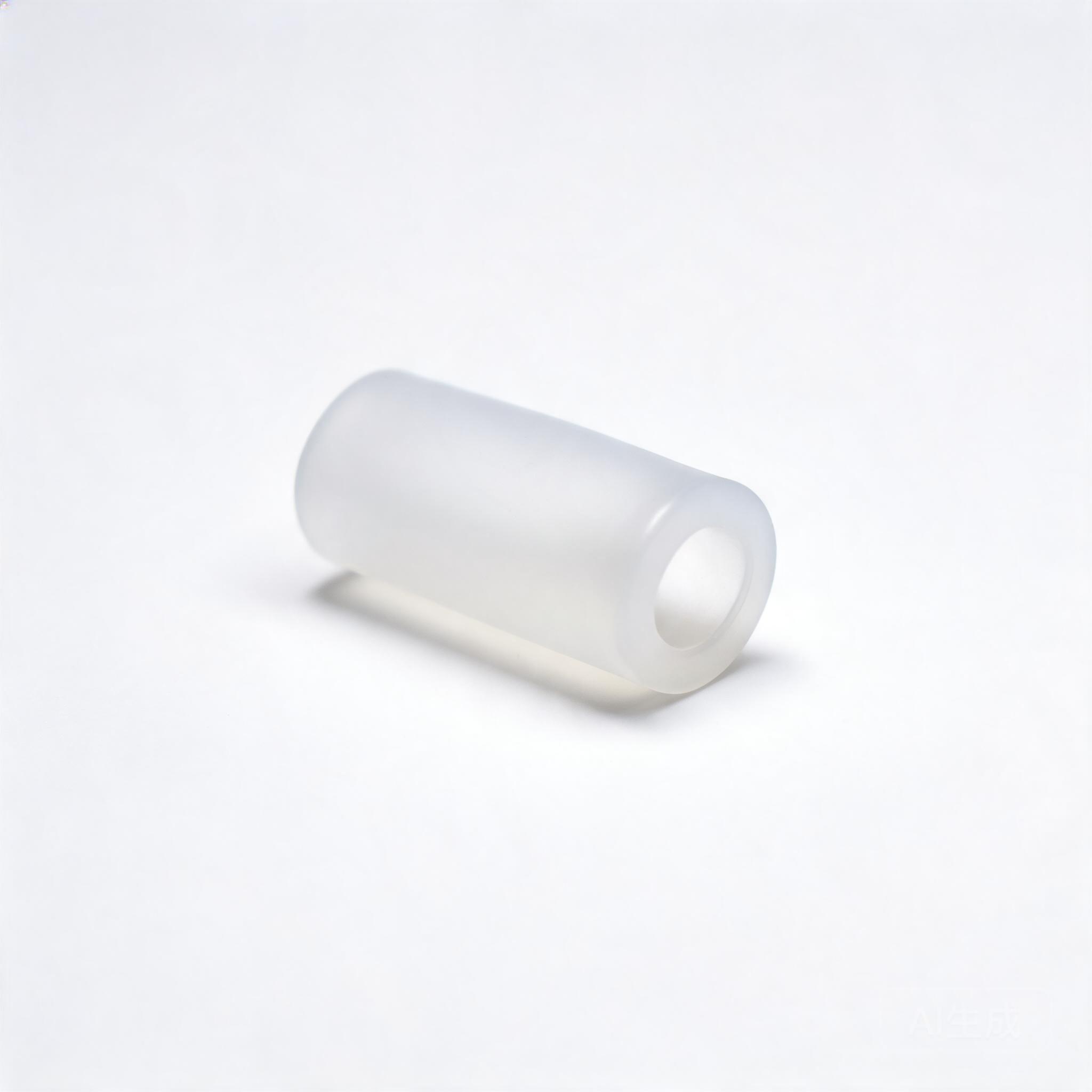
Electrical Insulation LSR Sheath High & Low Temperature Resistant Cable Joint Protective Sleeve
Electrical Insulation Liquid Silicone Rubber Sheath For Cable Joint Protection
Liquid Silicone Rubber Injection MoldingPublished on May 17, 2026
Made of industrial-grade liquid silicone rubber via injection molding, it has excellent insulation, weather resistance and tear resistance, effectively protecting power cable joints and terminals from moisture, corrosion and external force damage, easy to install, suitable for various power accessories, with stable long-term performance.
Material
Industrial LSR
Hardness
Shore A 50-70
Temperature
-60°C ~ +200°C
Colors
Black, White, Red, Customizable
Certifications
ISO 9001RoHSUL94 V-0 etc.
Applications
Widely used in power grid constructionsubstationsnew energy power generationindustrial power distribution and other scenariosfor insulation protection of cable jointsoutdoor terminals and...
The Electrical Insulation Liquid Silicone Rubber (LSR) Sheath for Cable Joint Protection is a high-performance engineered protective component designed specifically to address the vulnerability of medium and high voltage (MV/HV) cable joint interfaces, which are the most common failure points in power transmission and distribution networks. Manufactured via precision injection molding of medical-grade and industrial-grade liquid silicone rubber formulations, this sheath provides a permanent, waterproof, dielectric barrier that seals cable joints against environmental stressors, electrical tracking, and mechanical damage.
Unlike traditional heat-shrink polyolefin sheaths or cold-shrink EPDM alternatives, our LSR insulation sheath cures to form a seamless, low-modulus, highly elastic barrier that conforms perfectly to the irregular geometries of cable joints, terminations, and transition points. Its core selling points include a 50-year design service life, stable dielectric performance across extreme temperature ranges, inherent flame retardancy, and zero post-installation shrinkage or degradation under UV exposure. It is compatible with 1kV to 220kV power cable systems, and is engineered to meet the stringent insulation requirements of overhead lines, underground distribution networks, and renewable energy power collection systems.
Technical Specifications
Material Properties
All LSR formulations used for this sheath comply with IEC 60317 and GB/T 12706 standards for power cable insulation materials, with customizable grades available for specialized application scenarios:
Base PolymerHigh-purity polydimethylsiloxane (PDMS) with fumed silica reinforcementPDMS with halogen-free flame retardant additivesLow-temperature modified PDMS
For on-site installation and factory pre-molding reference:
ParameterValueNote
Recommended Installation Temperature-10°C ~ 45°CSuitable for most field construction environments
Elastic Recovery Rate (100% elongation)100%No residual deformation after expansion up to 2x nominal size
Adhesion Strength to Cable Sheath (XLPE/PVC)≥1.2 N/mmWhen used with matching silicone primer
Curing Condition for In-situ Pouring Variants30min @ 25°C, 5min @ 80°CFor custom field-poured joint sealing systems
Maximum Operating Temperature Range-60°C ~ 200°CShort-term overload up to 250°C for 4 hours
Product Advantages
Unmatched Long-Term Insulation Stability
Unlike organic polymer alternatives that experience dielectric degradation after 10~15 years of exposure to high temperatures, moisture, and electrical stress, our LSR sheath maintains stable dielectric properties for over 50 years of continuous operation. It is immune to electrical tracking and erosion, with a comparative tracking index (CTI) of ≥600V, eliminating the risk of surface flashover even in heavily polluted or high-humidity environments.
Superior Environmental Adaptability
The sheath performs reliably across extreme climate conditions, from -60°C polar regions to 55°C desert environments, with no brittleness, cracking, or softening. Its inherent UV resistance eliminates the need for additional protective coatings for overhead line applications, while its IP68 waterproof rating prevents water ingress into underground cable joints, the leading cause of cable joint failure in coastal and high-water-table areas.
Simplified Installation and Low Lifetime Cost
The high elasticity of LSR allows the sheath to be stretched up to 200% of its nominal inner diameter for easy installation over cable joints, with zero need for heating tools or specialized equipment. It forms a tight, continuous seal without adhesive in most applications, reducing installation time by 60% compared to heat-shrink alternatives. With no scheduled maintenance required over its service life, it delivers a 40% lower total cost of ownership than traditional sheath solutions.
Fire Safety Compliance
Our flame-retardant LSR formulation emits no toxic fumes or corrosive gases when exposed to fire, making it suitable for installation in underground tunnels, subway power systems, and industrial facilities with strict fire safety requirements. It self-extinguishes within 3 seconds of flame removal, preventing the spread of fire along cable routes.
Applications
This LSR sheath is widely deployed across global power transmission and distribution infrastructure, with primary use cases including:
MV/HV Cable Joint Protection: Sealing and insulating 10kV, 35kV, 110kV, and 220kV XLPE cable straight joints, branch joints, and transition joints in underground distribution networks, effectively preventing water tree growth and electrical breakdown at joint interfaces.
Overhead Line Terminations: Protecting cable terminations on utility poles and transmission towers from UV radiation, acid rain, bird damage, and ice load, reducing annual maintenance costs for overhead line networks by 30% on average.
Renewable Energy Power Systems: Ideal for wind farm and solar farm cable networks, where it withstands repeated temperature cycling, high wind vibration, and salt spray corrosion in coastal wind farms, extending the service life of collector cable joints by 2x compared to EPDM sheaths.
Subway and Tunnel Power Systems: Its low-smoke zero-halogen flame retardant properties and resistance to high humidity and mold growth make it the preferred insulation solution for power cable joints in urban rail transit and underground utility tunnels.
**Industrial Power Distribution: Used for cable joint protection in petrochemical plants, steel mills, and mining operations, where it resists exposure to oil, chemical fumes, and mechanical impact from construction equipment.
Selection Guide
Hardness Selection
30~35 Shore A: Recommended for irregularly shaped cable joints, cold climate installation, and applications requiring maximum conformability to uneven surfaces.
40~45 Shore A: Standard grade for most 1kV~35kV cable joint applications, balancing elasticity and mechanical puncture resistance.
50~70 Shore A: Recommended for 110kV~220kV high voltage cable joints, underground applications with high soil pressure, and scenarios requiring high mechanical damage resistance.
Size Specifications
Select the sheath inner diameter based on the maximum outer diameter of the cable joint assembly:
Nominal inner diameter range: 10mm ~ 300mm, custom sizes available for special cable configurations.
Recommended interference fit: The sheath nominal inner diameter should be 20~30% smaller than the maximum outer diameter of the joint to ensure a tight, long-term seal without excessive installation force.
Standard length options: 300mm, 500mm, 800mm, 1200mm, custom lengths available for extended joint assemblies.
Material Grade
Standard Industrial Grade: Suitable for most indoor, overhead, and underground power distribution applications with no special flame retardant requirements.
Flame Retardant Grade (UL94 V-0, IEC 60332-1): Mandatory for installation in tunnels, subway systems, petrochemical facilities, and enclosed cable trays.
Cold Resistant Grade: Recommended for installation in regions with winter temperatures below -40°C, including high-altitude areas and polar power projects.
Oil Resistant Grade: Formulated with fluorosilicone modifications for use in petrochemical plants and industrial environments with long-term exposure to oil and hydrocarbon vapors.
Quality Assurance
Our Electrical Insulation LSR Sheath is manufactured in an ISO 9001:2015 certified production facility, with strict quality control at every stage of production:
Raw material testing: Each batch of LSR is tested for dielectric strength, viscosity, and curing performance before molding, with traceability records maintained for 10 years.
In-process inspection: 100% of finished sheaths undergo dimensional inspection, high voltage withstand testing (1.5x rated voltage for 5 minutes), and visual inspection for defects such as bubbles, cracks, and impurities.
Type testing: Third-party type testing is conducted annually to verify compliance with IEC 62895, GB/T 2951, and DL/T 1070 standards, including 1000-hour heat aging testing, water immersion dielectric testing, and 10,000-cycle temperature cycling testing.
Certifications: The product holds CNAS, CE, and RoHS certifications, with the flame retardant grade meeting UL94 V-0 and IEC 60332-3 flame test requirements.
Warranty: We offer a 10-year product warranty against manufacturing defects, with a 50-year performance guarantee for properly installed sheaths in standard operating environments. Our technical team provides on-site installation guidance and failure analysis support for all clients.