
橡楚编辑部 6/18/2026 46 min read
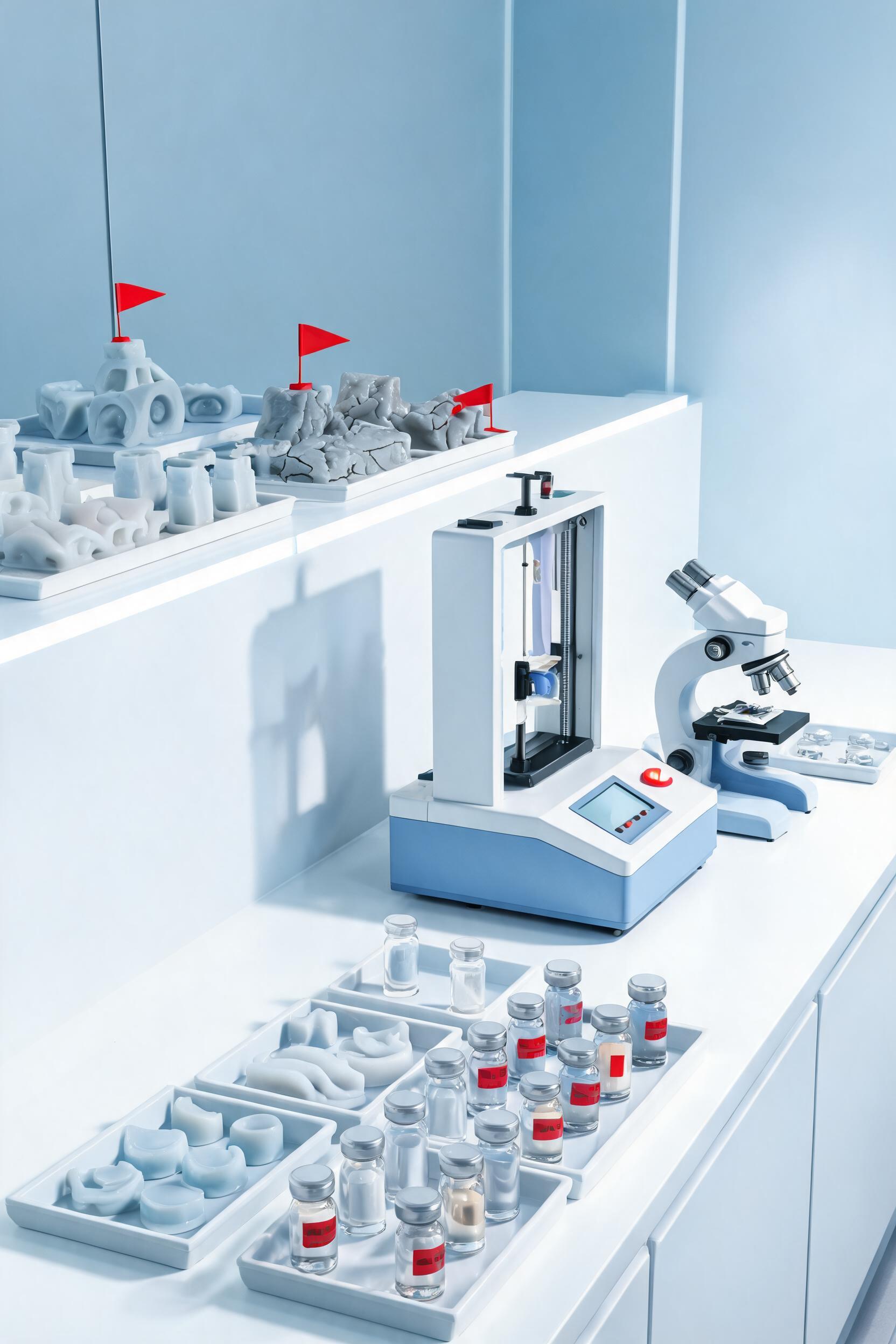
Many buyers find that the handfeel and lifespan of the same design liquid silicone rubber parts vary greatly. Most core causes hide in the organic silicone supply chain. As an ISO 9001 certified LSR products manufacturer located in Ezhou, Hubei, Xiangchu Rubber analyzes 5 hidden pitfalls in the supply chain from the perspective of raw material brand selection, to help buyers avoid risks when purchasing LSR products.
If you have ever sourced identical-looking liquid silicone rubber (LSR) parts from different suppliers, or even from the same supplier across different production batches, you have almost certainly encountered a confusing problem: two parts with the same 2D drawing, same size specification, and same appearance can feel wildly different to the touch, and their service lifespan can differ by a factor of 2 to 5 times. Many product managers and sourcing teams attribute this inconsistency to poor production process control, but in most cases, the root cause lies upstream in the organic silicone supply chain.
As a specialized LSR product manufacturer based at 湖北省鄂州市鄂城区经济开发区凡口街道内河巷54号, 橡楚(湖北)橡胶有限公司 has more than a decade of experience producing custom LSR parts for global clients. In our daily production and quality inspection work, we have found that 70% of inconsistencies in LSR part handfeel and lifespan are caused by hidden pitfalls in raw material supply chain management, not just production errors. Many suppliers cut corners at the raw material stage without disclosing this practice to buyers, leading to unexpected performance gaps that only emerge after mass production.
In this article, we will break down the five most common hidden pitfalls in organic silicone raw material supply chains from the perspective of raw material brand selection, explain how these pitfalls directly impact LSR part handfeel and lifespan, and share practical inspection methods that buyers can use to avoid these issues. We also hold ISO 9001 certification for our quality management system, so all the data and observations we share here are based on our standardized internal testing and production practices.
Before we dive into the specific hidden pitfalls, it is important to establish how raw material properties directly translate to the final performance of finished LSR parts. Handfeel and lifespan are not subjective or random attributes: they are directly determined by the physical and chemical properties of the raw silicone rubber used in production.
Handfeel of LSR parts is primarily determined by three raw material parameters: molecular weight distribution, vinyl content, and filler type and loading. The table below summarizes how different parameter ranges impact final handfeel:
When suppliers use non-conforming raw materials, these parameters shift outside the optimal range, leading to immediately noticeable differences in handfeel even when the part’s shore hardness meets the drawing specification. For example, a 30 Shore A LSR part made with low molecular weight base polymer will read 30 Shore A on a durometer, but feel much stiffer and less elastic than a part made with correctly specified high molecular weight raw material.
Lifespan of LSR parts depends on resistance to three common aging factors: heat degradation, UV degradation, and mechanical fatigue. All three of these resistance properties are directly tied to raw material purity:
At 橡楚(湖北)橡胶有限公司, we conduct accelerated aging tests on every batch of incoming raw material to verify lifespan performance. Our internal data shows that LSR parts made from uncertified off-grade raw materials have a 3x higher failure rate after 1000 hours of 100°C heat aging compared to parts made from branded virgin raw materials.
Now that we have established the core connection between raw materials and final LSR part performance, we will break down the five most common hidden pitfalls that suppliers encounter (and often hide from buyers) in the organic silicone supply chain.
The most common hidden practice among LSR part suppliers is blending name-brand virgin LSR raw material with cheaper off-grade material to reduce raw material costs. Off-grade material is production byproduct from major silicone chemical producers, sold at 30 – 50% lower price than prime virgin material, but it does not meet the brand’s own performance specifications for consistency.
Typical inconsistencies in off-grade LSR material include:
This blending practice is almost impossible to detect from just looking at the finished part or measuring shore hardness. The blending ratio can vary from 10% to 50% off-grade material depending on how much the supplier wants to cut costs. The impact on performance is significant:
At 橡楚(湖北)橡胶有限公司, we do not blend off-grade material into any production runs unless explicitly requested and approved by the buyer. We maintain full traceability for every batch of raw material, so buyers can confirm the exact origin and grade of material used for their order.
The second most common hidden pitfall comes from filler substitution. High-quality LSR parts use fumed silica as the primary reinforcing filler, because fumed silica has a smaller particle size, higher purity, and better reinforcing properties than lower-cost alternatives. Fumed silica gives LSR parts good elasticity, a smooth non-sticky handfeel, and excellent mechanical strength.
Some suppliers substitute 30 – 100% of the fumed silica filler with cheaper precipitated silica, or even calcium carbonate, to cut raw material costs. Precipitated silica costs approximately 40 – 60% less than fumed silica, but it has much worse performance:
The table below compares the performance of LSR compounds with different filler types at the same shore hardness (30 Shore A):
This substitution is very difficult to detect without chemical composition analysis, but it creates a noticeable difference in handfeel and drastically reduces lifespan. Many buyers do not discover the substitution until their end products start failing under warranty.
Another hidden pitfall is the use of recycled LSR material, also known as regrind, in production runs that are specified as 100% virgin material. Recycled LSR comes from leftover sprue, runner, and rejected parts from previous production runs. These scraps are ground up and reintroduced into the raw material compound at ratios ranging from 10% to 100% to reduce material waste and cut costs.
The problem with recycled LSR is that it has already gone through one full heat curing process, which causes partial crosslinking and chain scission of the silicone polymer. When recycled material is mixed with virgin material and cured a second time, the existing crosslinked particles act as defects in the polymer network, leading to several performance issues:
ISO 9001-certified manufacturers like 橡楚(湖北)橡胶有限公司 strictly control the use of regrind: we only use recycled material for non-critical internal tooling components, never for finished parts supplied to customers, unless the customer explicitly approves the use of regrind to reduce cost. For most critical applications, even 10% recycled content creates measurable performance degradation.
This pitfall is not strictly a raw material issue, but it is a hidden step in the supply chain and production process that directly impacts handfeel and long-term performance. After LSR parts are injection molded, they undergo a post-vulcanization process (also called post-curing) to remove residual volatile organic compounds (VOCs) and complete the crosslinking reaction.
Post-curing typically takes 2 – 4 hours at 100 – 150°C, which consumes energy and extends production lead time. Some suppliers skip or shorten this step to save cost and speed up delivery. The impact of skipping post-curing is:
Even when using high-quality branded raw material, skipping post-curing will create a noticeably worse handfeel and reduce lifespan by 15 – 25%, according to our internal testing at 橡楚(湖北)橡胶有限公司.
The final hidden pitfall comes from inconsistent raw material quality when suppliers source from unvetted small-scale raw material producers instead of established international or national brands. Many small raw material producers can offer LSR compound at 20 – 30% lower price than major brands, but they lack the process control and quality systems to deliver consistent quality batch after batch.
Common consistency issues from unvetted raw material producers include:
Over multiple production batches, this inconsistency leads to noticeable differences in handfeel and lifespan between orders of the same part, even when the production process is unchanged. Many suppliers do not test incoming raw material for consistency, so these variations are passed directly to the buyer.
As a buyer, you do not need to rely on random luck to get consistent LSR parts. There are several practical, low-cost methods you can use to verify that your supplier is using correctly specified raw materials and avoid these hidden supply chain pitfalls.
The first and most important step is to require your supplier to provide full traceability for the raw material used in your order. This documentation should include:
At 橡楚(湖北)橡胶有限公司, we provide this traceability documentation for every order as a standard practice, in line with our ISO 9001 quality management requirements. If a supplier refuses to provide this documentation, that is a major red flag that they are cutting corners on raw material quality.
You do not need a full materials science laboratory to identify many of these pitfalls. Simple comparative testing can reveal significant performance differences between parts from different suppliers or different batches:
For more formal verification, you can send samples to a third-party testing laboratory to check chemical composition, filler type, and purity. This costs a few hundred dollars for a basic test, and it can save you from thousands of dollars in warranty costs from bad parts.
If you have the opportunity to visit your supplier’s factory, pay attention to two key areas that reveal their raw material management practices:
Our factory at 橡楚(湖北)橡胶有限公司, located at 湖北省鄂州市鄂城区经济开发区凡口街道内河巷54号, welcomes buyers to conduct factory audits at any time. We maintain clear labeling and organized storage for all raw material batches, and we have a dedicated incoming inspection team that tests every batch of raw material before it is released to production.
When identical LSR parts show large differences in handfeel and lifespan, the root cause is almost always hidden upstream in the organic silicone supply chain, not just in production process control. The five common hidden pitfalls we have outlined in this article—blending virgin with off-grade material, filler substitution, using recycled material for virgin orders, skipping post-curing, and sourcing from unvetted raw material producers—all create measurable performance gaps that increase long-term costs for buyers.
At 橡楚(湖北)橡胶有限公司, we believe that transparent raw material management is the foundation of consistent LSR part quality. We only source raw materials from established brands with proven consistent quality, we do not cut corners by substituting materials or skipping critical processing steps, and we maintain full traceability for every production batch in line with our ISO 9001 quality management system.
If you are currently struggling with inconsistent handfeel or lifespan from your LSR part supplier, or you are looking for a reliable LSR product manufacturer for your next project, you can contact us at 18071171144 or email us at churubber@163.com to discuss your requirements. We can provide technical support, sample testing, and custom LSR production to meet your performance and quality requirements.
Consistent LSR performance starts with consistent raw material selection. Avoiding these hidden supply chain pitfalls will help you get parts that meet your handfeel and lifespan requirements every time, reducing warranty costs and improving end customer satisfaction.