Introduction
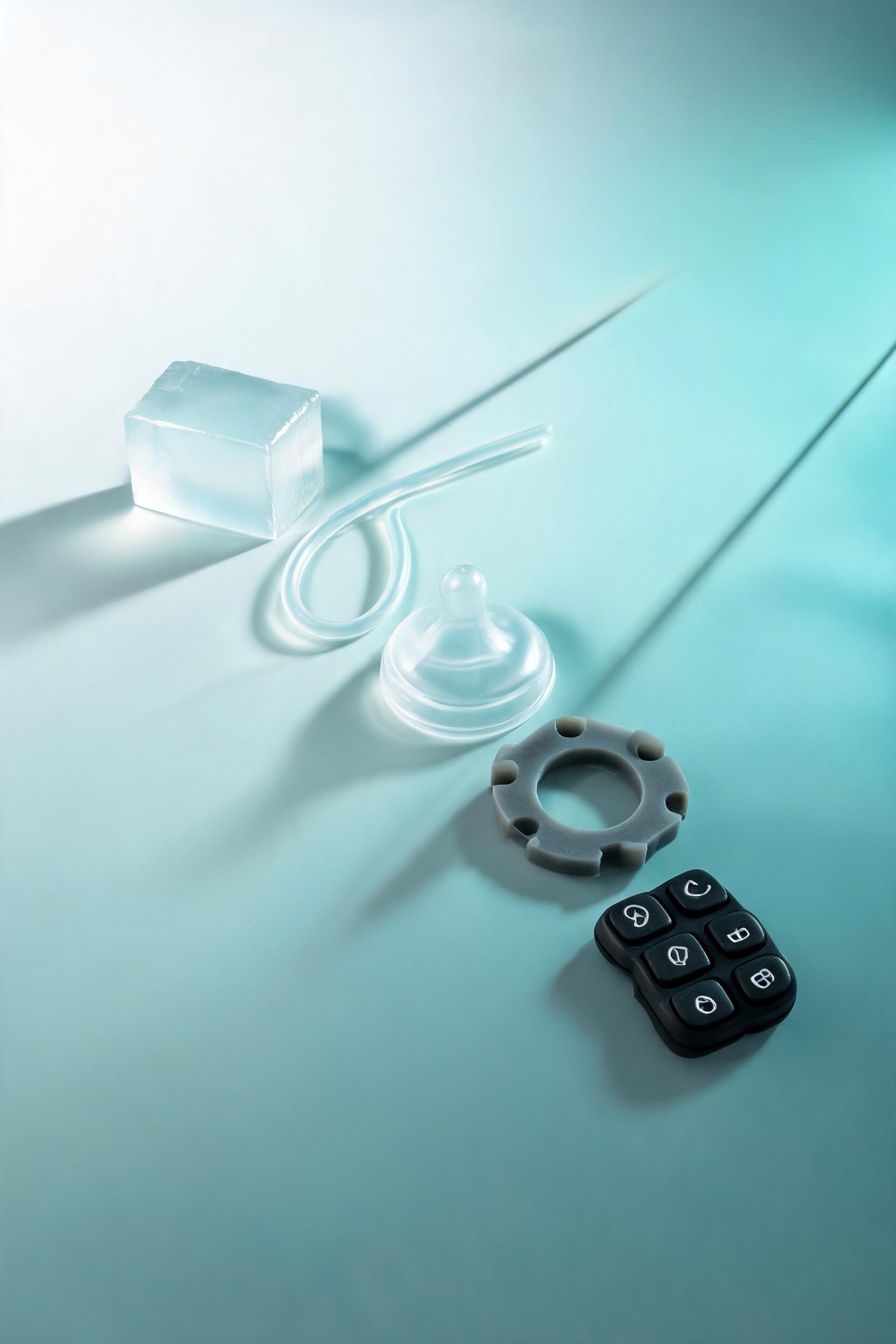
Silicone products, also referred to as polysiloxane-based finished goods, are a category of polymeric materials constructed from alternating silicon-oxygen (Si-O) backbone chains with organic side groups (most commonly methyl, phenyl, or vinyl) bonded to the silicon atoms. This unique hybrid inorganic-organic molecular structure grants silicone products a combination of properties unachievable with conventional organic rubbers, thermoplastics, or natural materials: exceptional thermal stability, inherent water repellency, biocompatibility, UV resistance, and reliable elasticity across a wide temperature range.
Unlike ordinary plastic or rubber products that degrade rapidly under extreme conditions, silicone products maintain their mechanical and chemical integrity between -60°C and 230°C, with specialty high-temperature grades capable of withstanding intermittent exposure to 315°C. These properties have driven the global silicone products market to a valuation of $18.7 billion in 2024, with a projected compound annual growth rate (CAGR) of 6.2% through 2030, according to Grand View Research. This article breaks down the core classification, material properties, and real-world applications of silicone products, as well as key standards guiding their use across regulated industries.
Core Classification and Material Properties of Silicone Products
Silicone products are categorized first by their curing mechanism and physical form during manufacturing, which directly determine their end-use performance and applicable scenarios. Each category is engineered to meet specific performance thresholds for mechanical strength, temperature resistance, and regulatory compliance.
Primary Categories of Silicone Products
The three most widely used commercial silicone product categories are defined by their processing methods:
CategoryCuring MechanismTypical Hardness Range (Shore)Key Application Scenarios
High-Temperature Vulcanized (HTV) Silicone ProductsPeroxide or platinum-catalyzed curing at 120–180°C30A–90A, 30D–70DGaskets, automotive seals, bakeware, high-voltage insulators
Liquid Silicone Rubber (LSR) ProductsPlatinum-catalyzed two-part injection molding curing at 150–200°C10A–80AMedical implants, baby pacifiers, precision electronic seals, wearable device components
Room-Temperature Vulcanized (RTV) Silicone ProductsMoisture or condensation curing at 15–30°C00–30A, gel grades <10 000 cP viscosityAdhesives, sealants, potting compounds for electronics, mold-making materials
Specialty silicone products, including fluorosilicone and phenyl silicone, are formulated for extreme environments: fluorosilicone products resist swelling and degradation when exposed to jet fuel, hydraulic oil, and aromatic solvents, making them indispensable for aerospace fuel systems, while phenyl silicone products retain flexibility at temperatures as low as -100°C, suitable for cryogenic storage and space exploration components.
Key Performance Advantages of Silicone Products
The unique Si-O backbone (bond energy of 452 kJ/mol, compared to 358 kJ/mol for the C-C backbone of organic rubbers) is the source of silicone products’ unmatched performance profile:
- Thermal stability: Silicone products show less than 10% weight loss after 10,000 hours of exposure to 150°C air, while nitrile rubber (NBR) loses 50% of its mass after only 700 hours under the same conditions.
- Biocompatibility: Medical-grade silicone products meet ISO 10993 and USP Class VI biocompatibility requirements, with no cytotoxicity, skin irritation, or systemic toxicity when in contact with human tissue or bodily fluids.
- Environmental resistance: Silicone products retain 90% of their original tensile strength after 5 years of outdoor exposure to UV radiation, ozone, and temperature fluctuations, compared to ethylene propylene diene monomer (EPDM) rubber which loses 40% of its strength after 2 years of outdoor use.
- Electrical insulation: Dielectric strength of silicone products ranges from 15–22 kV/mm, with stable insulating performance across -50°C to 200°C and 10–90% relative humidity, making them ideal for high-voltage and high-humidity electrical applications.
These properties are further tunable via formulation adjustments: adding fumed silica fillers increases tensile strength by up to 300%, while incorporating conductive additives (carbon black, silver-coated glass beads) creates electrically conductive silicone products for electromagnetic shielding (EMI) and static discharge (ESD) applications.
Regulated Industrial Applications of Silicone Products
Silicone products are integral to regulated sectors where material reliability and compliance with strict safety standards are non-negotiable. Their performance in extreme conditions and compatibility with human health and environmental requirements make them the material of choice for medical, automotive, and aerospace applications.
Medical and Healthcare Silicone Products
Medical silicone products are the fastest-growing segment of the silicone market, with a 7.8% CAGR projected through 2030, driven by rising demand for implantable devices and minimally invasive surgical tools. Common medical silicone products include:
- Long-term implantable devices: Silicone breast implants, pacemaker leads, hydrocephalus shunts, and cochlear implant housings. These products undergo rigorous biocompatibility testing, including 30-day subcutaneous implantation in animal models with no adverse tissue reaction, and are designed to function in the human body for 10+ years without degradation.
- Short-term medical consumables: Foley catheters, wound dressings, surgical instrument handles, and respiratory mask seals. The low surface tension of silicone products reduces adhesion to wound tissue, minimizing patient discomfort during dressing changes, while their inherent resistance to ethylene oxide (EtO) and gamma sterilization allows for repeated sterilization cycles without material degradation.
- Pharmaceutical and biotech components: Silicone gaskets for bioreactors, peristaltic pump tubing, and stopper seals for vaccine vials. These products meet USP <661> standards for plastic packaging materials, with no leachable additives that could contaminate drug formulations or biologic products. For example, silicone pump tubing maintains consistent flow rates for up to 1,000 hours of continuous use, with no particle shedding into high-purity biologic solutions.
Automotive and Aerospace Silicone Products
Silicone products address the stringent performance demands of the transportation sector, where components must withstand extreme temperature fluctuations, chemical exposure, and long-term vibration.
In the automotive industry, the shift to electric vehicles (EVs) has accelerated adoption of silicone products:
- Battery system components: Thermal interface materials (TIMs) made of thermally conductive silicone (thermal conductivity 2–8 W/m·K) transfer heat away from EV battery cells, maintaining cell temperatures within the optimal 25–40°C range to extend battery life by 20% and reduce fire risk. Silicone gaskets for battery packs provide IP67-rated ingress protection against dust and water, withstanding 1,000 hours of salt spray exposure without corrosion.
- Powertrain and interior components: Silicone seals for electric motor housings resist continuous exposure to 180°C transmission fluid, while silicone hoses for cooling systems operate reliably at 150°C for 10,000+ hours, outperforming rubber hoses by a factor of 3. Silicone adhesive tapes for interior trim emit <10 μg/g of volatile organic compounds (VOCs), meeting strict EU and Chinese automotive air quality standards.
In aerospace, silicone products are certified to RTCA DO-160G standards for airborne equipment:
- Fluorosilicone O-rings for aircraft fuel systems resist swelling of <5% after 1,000 hours of immersion in jet A-1 fuel at 120°C, preventing fuel leaks at altitudes up to 12,000 meters.
- Silicone thermal blankets for satellite components maintain stable internal temperatures during orbital cycles, where surface temperatures fluctuate between -150°C and 150°C as the satellite moves in and out of Earth’s shadow.
Electrical and Electronic Silicone Products
The global electronics industry relies on silicone products to protect sensitive components from environmental damage and ensure reliable performance in compact, high-power devices.
- Potting and encapsulation materials: RTV silicone gels and elastomers encapsulate printed circuit boards (PCBs) for consumer electronics, industrial control systems, and outdoor telecommunications equipment. These materials absorb mechanical shock from drops of up to 1.5 meters without transferring stress to solder joints, and provide waterproofing for devices rated to IP68, allowing continuous submersion in 2 meters of water for 30 minutes.
- EMI shielding components: Conductive silicone gaskets for 5G base station equipment provide 60–120 dB of shielding effectiveness across 10 kHz to 40 GHz frequency ranges, while maintaining a reliable environmental seal against moisture and dust. Unlike metal shielding components, conductive silicone products can conform to uneven housing surfaces, reducing assembly costs by 15% compared to traditional multi-part shielding solutions.
- Optoelectronic components: High-purity silicone lenses for LED lighting have a light transmittance of >92% across 400–700 nm visible wavelengths, with <5% yellowing after 5,000 hours of operation at 120°C, extending LED lifespan by 30% compared to plastic lenses.
Consumer and Industrial Daily-Use Silicone Products
Beyond high-tech regulated sectors, silicone products have become ubiquitous in daily life, replacing conventional plastic, rubber, and glass products due to their safety, durability, and ease of use.
Kitchen and Food Contact Silicone Products
Food-grade silicone products meet strict global food safety standards, including U.S. FDA 21 CFR 177.2600, EU 10/2011, and Chinese GB 4806.11, with no migration of harmful substances when in contact with acidic, alkaline, or fatty foods at temperatures up to 230°C. Common kitchen silicone products include:
- Bakeware and cooking tools: Silicone baking mats, muffin molds, spatulas, and oven mitts. Silicone baking mats are non-stick, requiring no added oil or parchment paper, and can be reused up to 3,000 times, reducing single-use plastic waste by an estimated 2 kg per household annually. Unlike metal baking tools, silicone products do not scratch non-stick cookware, and can be safely used in microwaves, ovens, and dishwashers.
- Food storage solutions: Silicone food bags, stretch lids, and baby food containers. These products are airtight, preventing food spoilage and extending the shelf life of fresh produce by 2–3 times compared to plastic containers. Unlike plastic bags, silicone food bags do not absorb food odors or stain, and can withstand temperature ranges from -40°C for freezer storage to 200°C for sous vide cooking.
- Baby and toddler products: Silicone pacifiers, bottle nipples, teething toys, and suction plates. The soft, flexible texture of silicone products mimics the feel of human skin, reducing nipple confusion for breastfed infants, and their inherent resistance to bacteria growth (surface energy of 22 mN/m, compared to 38 mN/m for polypropylene) reduces the risk of oral infection. All food-contact baby silicone products undergo bite resistance testing, with no tearing or small part detachment under 100 N of bite force, meeting EN 14350 child safety standards.
Construction and Industrial Maintenance Silicone Products
Silicone sealants and adhesives are a staple in construction and industrial maintenance, offering long-term durability that outperforms acrylic and polyurethane alternatives.
- Building and construction sealants: Neutral-cure RTV silicone sealants are used for window and door frame sealing, curtain wall joint sealing, and roof waterproofing. These products have a service life of 20–25 years, withstanding repeated thermal expansion and contraction cycles (movement capability of ±25%) without cracking or losing adhesion to glass, aluminum, and concrete substrates. Acetic-cure silicone sealants, a lower-cost option, are used for interior bathroom and kitchen sealing, with 10–15 years of service life and excellent resistance to mold growth (tested to ASTM G21, with no mold growth after 28 days of exposure to high humidity and fungal spores).
- Industrial maintenance solutions: Silicone release agents are used in plastic injection molding, die casting, and food processing lines to prevent material adhesion to molds and equipment surfaces, reducing part defect rates by 25% and extending mold lifespan by 30%. Silicone lubricants for industrial machinery operate effectively at temperatures from -40°C to 200°C, with no evaporation or carbon buildup, making them ideal for conveyor belts, oven hinges, and high-temperature manufacturing equipment.
Conclusion
Silicone products are a versatile class of hybrid polymeric materials whose unique combination of thermal stability, biocompatibility, environmental resistance, and tunable mechanical properties make them irreplaceable across nearly every sector of modern industry and daily life. From life-saving medical implants and EV battery thermal management components to food-safe kitchen tools and long-lasting construction sealants, silicone products deliver performance that cannot be matched by conventional organic materials.
As global demand for safer, more durable, and environmentally sustainable materials grows, the silicone products industry is evolving to address emerging needs: bio-based silicone products made from renewable silica sources reduce carbon footprints by 30% compared to traditional silicone formulations, while recyclable LSR grades allow for closed-loop manufacturing of consumer and industrial silicone products. Ongoing advancements in silicone formulation, including self-healing silicone products and high-thermal-conductivity silicone composites for next-generation semiconductors, will continue to expand the application scope of silicone products in the coming decade. When selecting silicone products for specific use cases, it is critical to verify that they meet relevant industry standards for biocompatibility, food safety, or fire resistance, to ensure long-term performance and compliance with regulatory requirements.