
橡楚编辑部 6/14/2026 38 min read
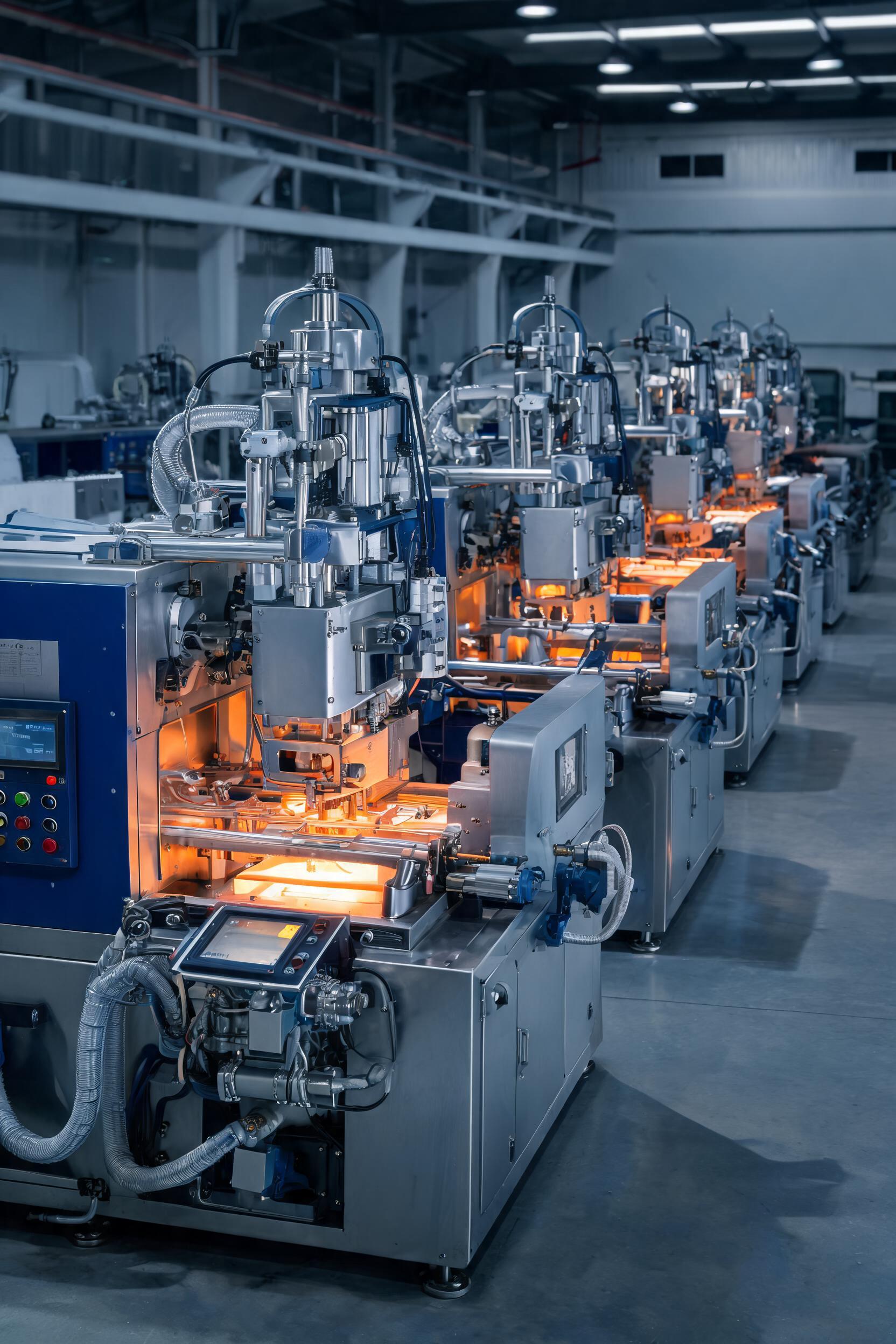
Xiangchu (Hubei) Rubber Co., Ltd. is located at No. 54, Neihe Lane, Fankou Street, Echeng District, Ezhou City, Hubei Province, specialized in liquid silicone rubber (LSR) products manufacturing with ISO 9001 certification. Our new official website is launched now. This article details the key points of LSR injection molding process to help you solve common pain points in producing precision silicone parts.
Precision liquid silicone rubber (LSR) parts are core components in industries ranging from medical devices and automotive electronics to consumer wearables and aerospace. As products get smaller, more complex, and more functionality-packed, manufacturers and component buyers face consistent, costly pain points that delay production, raise part costs, and compromise end-product performance: tight-tolerance deviations, flash and burr issues that require costly secondary finishing, inconsistent material curing across thick and thin part sections, high material waste from prototyping to mass production, and long lead times for custom tooling and part development.
At 橡楚(湖北)橡胶有限公司, located at 湖北省鄂州市鄂城区经济开发区凡口街道内河巷54号, we specialize in custom LSR product manufacturing and have worked with global buyers to address these pain points for years. With the launch of our new export website, we are sharing our in-depth process knowledge of LSR injection molding, the optimized process adjustments we have developed, and how we deliver consistent, high-quality precision LSR parts that meet global industry standards. As an ISO 9001 certified manufacturer, we focus on process transparency and technical reliability to help our partners reduce production costs and shorten time-to-market.
Before diving into process solutions, it is critical to outline the most common pain points that impact precision LSR part quality and production efficiency. These issues are not unique to any single industry—they stem from gaps in material preparation, tooling design, or process parameter control that many manufacturers overlook.
Precision LSR parts for medical valves, automotive sensor seals, and wearable connector gaskets often require tolerances as tight as ±0.01mm. Even small deviations can lead to part failure, assembly issues, or end-product recalls. The root causes of dimensional deviation are usually one of three issues:
Table 1: Typical dimensional defect rates for precision LSR parts with unoptimized manufacturing processes
LSR is a low-viscosity material that flows easily into complex mold cavities, but this same characteristic makes it prone to flashing into mold vent gaps and parting lines. For complex precision parts with thin walls or intricate geometry, flash can add 15-30% to total part production cost due to manual trimming, cryogenic deflashing, or laser ablation. In medical applications, residual burrs from trimming also pose contamination risks that can lead to part rejection.
The most common causes of excess flash include:
Precision LSR parts often have varying wall thicknesses—for example, a medical silicone valve with a 0.2mm thin sealing membrane and a 5mm thick mounting base. Uneven heating across the mold leads to over-curing of thin sections (which become brittle) or under-curing of thick sections (which have low tear strength and poor compression set). This inconsistency leads to a 10-15% higher part rejection rate and reduced service life for end products.
LSR injection molding is a mature process, but achieving consistent quality for precision parts requires targeted optimization of every stage, from material preparation to post-curing. At 橡楚(湖北)橡胶有限公司, we have refined our process over years of production to address the pain points outlined above, starting with core process design principles.
LSR is typically supplied as a two-part (Part A: base polymer + catalyst, Part B: crosslinker + pigment) liquid system that requires accurate metering and mixing before injection. Even small deviations in mixing ratio lead to inconsistent curing and mechanical properties. We implement the following controls for material preparation:
Tooling design is the most critical factor for eliminating dimensional deviation and flash in precision LSR parts. Many manufacturers use tooling design principles for thermoplastic injection molding for LSR, which leads to avoidable quality issues. We tailor our tooling design for LSR’s unique properties with the following adjustments:
We input these parameters into our tooling design software to adjust each cavity dimension individually, reducing dimensional deviation by 75% compared to generic tooling design.
All parting lines are machined to a surface finish of Ra 0.2μm, and tooling plates are aligned with precision locating pins that maintain alignment accuracy of ±0.002mm, eliminating parting line flash from misalignment.
Uniform curing across varying part thicknesses is achieved by tuned temperature and pressure control throughout the injection and holding stages. We use a multi-stage temperature and pressure profile instead of a single constant setting for the entire process:
At our facility in 湖北省鄂州市鄂城区经济开发区凡口街道内河巷54号, we combine the core principles above with standardized quality control systems to deliver consistent precision LSR parts for global export. We are ISO 9001 certified, so every stage of production is documented and controlled to meet customer requirements.
We invest in metrology and testing equipment to catch dimensional and performance deviations before parts leave our facility. Our standard quality control workflow for precision LSR parts includes:
Table 2: 橡楚(湖北)橡胶有限公司 standard quality control testing for precision LSR parts
Different industries have different requirements for precision LSR parts, so we adjust our LSR injection molding process to match application-specific needs:
One common pain point for global buyers is long lead times for custom LSR part prototyping and tooling. Many manufacturers require 4-6 weeks for tooling and 2-3 weeks for prototyping, which delays product development. At 橡楚(湖北)橡胶有限公司, we offer accelerated prototyping and tooling services:
If you have any questions about our process or would like to request a quote for your precision LSR part project, you can contact us at phone: 18071171144 or email: churubber@163.com.
Precision LSR part manufacturing requires more than just basic injection molding equipment—it requires targeted optimization of material preparation, tooling design, and process control to address common pain points like dimensional deviation, excess flash, and inconsistent curing. At 橡楚(湖北)橡胶有限公司, our years of experience specializing in LSR product manufacturing have allowed us to refine our LSR injection molding process to deliver consistent, high-quality precision parts that meet global industry standards. As an ISO 9001 certified manufacturer located at 湖北省鄂州市鄂城区经济开发区凡口街道内河巷54号, we are committed to transparent technical communication and reliable production for our global export customers.
With the launch of our new export website, we aim to share our technical expertise and build long-term partnerships with buyers around the world. Whether you are developing a new medical device, automotive sensor, or consumer wearable, our optimized LSR injection molding process can solve your precision LSR part pain points, reduce your total production cost, and shorten your time-to-market. We welcome you to contact us to discuss your project requirements.