
橡楚编辑部 5/18/2026 46 min read
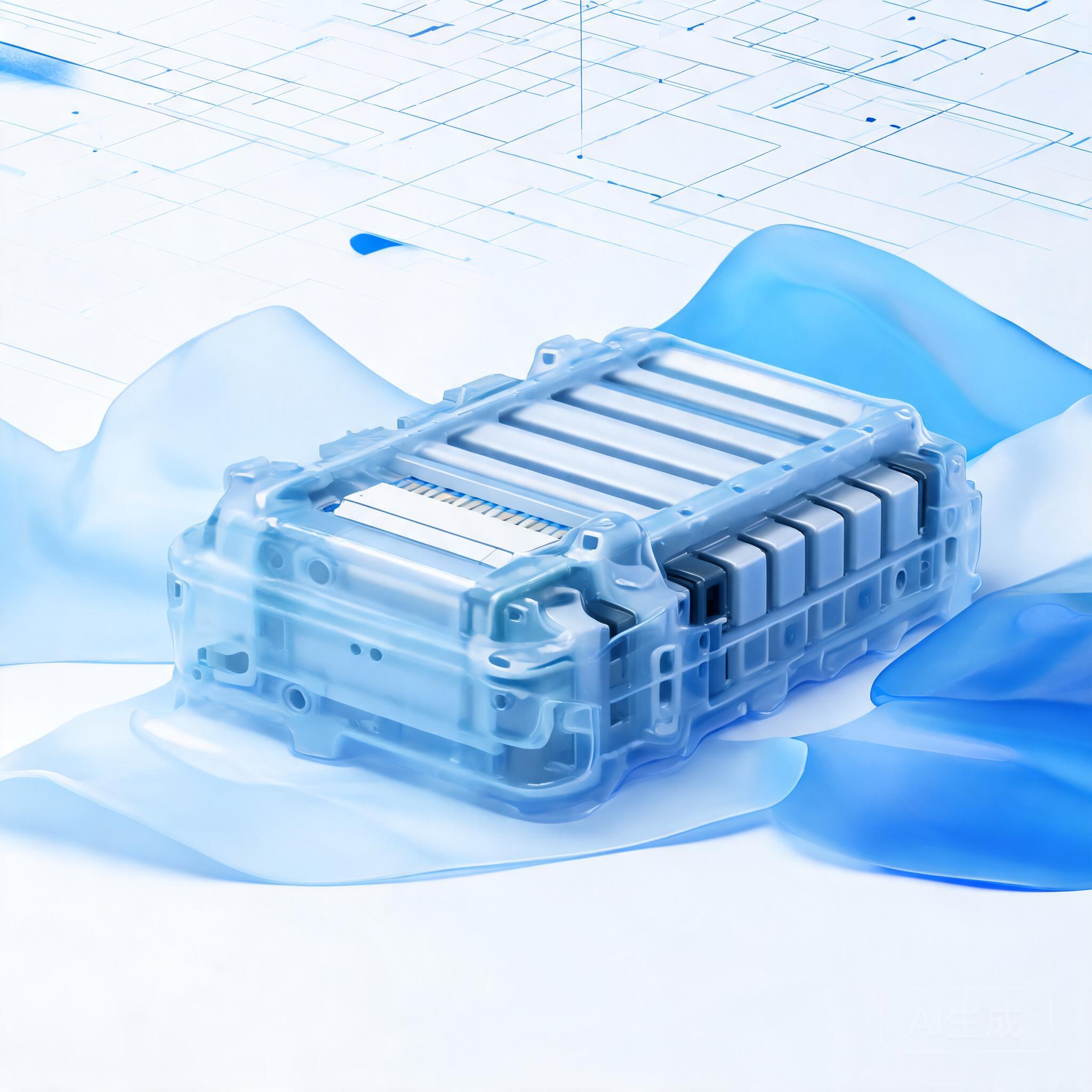
This article focuses on the application advantages of liquid silicone rubber (LSR) overmolding technology in the new energy vehicle industry, analyzing core characteristics such as high temperature resistance, aging resistance and stable performance. It sorts out process adaptation points and performance verification standards for core components including three-electric systems, seals and structural parts, helping automakers improve the service life and operational reliability of key parts.
The global new energy vehicle (NEV) market is undergoing exponential growth, with the International Energy Agency (IEA) reporting that NEV sales reached 10 million units in 2022, accounting for 14% of all new light-duty vehicle sales, and is projected to hit 35% of global market share by 2030. This rapid expansion has placed unprecedented demands on component performance: NEV powertrains operate at 400V to 800V system voltages, generate continuous operating temperatures of 120°C to 180°C in battery packs and electric drive units, and are exposed to extreme environmental conditions ranging from -40°C cold-start scenarios in high-latitude regions to 85°C high-humidity operation in tropical climates. Traditional engineering thermoplastics and conventional rubber materials often fail to meet the long-term reliability requirements of these applications, as they exhibit embrittlement, seal degradation, and electrical insulation breakdown after 1,000 to 2,000 hours of high-temperature aging. Liquid Silicone Rubber (LSR) overmolding, a manufacturing process that bonds cured LSR to rigid or flexible substrate materials (including polycarbonate, aluminum, copper, and polybutylene terephthalate) in a single molding cycle, has emerged as a critical solution to these challenges. Its unique combination of thermal stability, aging resistance, and customizable material properties addresses the most pressing pain points of NEV component design, from high-voltage connector sealing to battery pack thermal interface integration. This article analyzes the technical advantages of LSR overmolding for NEV applications, evaluates its performance in core NEV subsystems, outlines key process control parameters to ensure consistent quality, and provides actionable insights for automotive engineers seeking to optimize component reliability.
Unlike room-temperature vulcanizing (RTV) silicones and thermoplastic elastomers (TPEs), LSR is a two-part, platinum-catalyzed polymer that cures via addition reaction at elevated temperatures, forming a cross-linked three-dimensional siloxane backbone structure. This molecular architecture gives LSR inherent performance advantages that directly align with NEV operational requirements, particularly for applications exposed to continuous thermal stress and environmental weathering.
LSR’s thermal stability is unmatched among elastomers commonly used in automotive applications, with a continuous operating temperature range of -60°C to 200°C for standard grades, and specialty high-temperature grades capable of withstanding 230°C continuous exposure with short-term peaks up to 300°C. To quantify this advantage, Table 1 compares the thermal performance of LSR against competing elastomer materials used in NEV components.
These performance metrics are particularly relevant for 800V NEV platforms, where fast-charging currents of 350A to 500A generate localized temperatures of up to 180°C in high-voltage connector contact regions. Standard TPE-V seals begin to soften and lose compression set resistance at temperatures above 125°C, leading to 30% to 40% seal force loss after 500 hours of operation at 150°C, which increases the risk of moisture ingress and high-voltage arc flash. In contrast, LSR exhibits less than 10% compression set after 1,000 hours at 150°C, maintaining consistent sealing force throughout the 15-year/200,000-mile design life required for NEV core components. This thermal stability also eliminates the risk of material outgassing at elevated temperatures, a critical requirement for battery pack applications where volatile organic compound (VOC) emissions can contaminate lithium-ion cell electrodes and reduce cycle life.
NEV components are exposed to a complex mix of environmental stressors, including UV radiation, moisture, automotive fluids (coolants, lubricating oils, battery electrolytes), and thermal cycling between -40°C and 120°C. LSR’s cross-linked siloxane structure is inherently resistant to these degradation mechanisms, unlike carbon-backbone polymers such as TPE and EPDM, which undergo chain scission and cross-linking when exposed to UV and oxidative stress.
Accelerated aging testing conducted by the Society of Automotive Engineers (SAE) J2236 standard for automotive elastomers demonstrates that LSR retains 90% of its original tensile strength and 85% of its elongation at break after 10,000 hours of exposure to 90°C/90% relative humidity (RH) conditions, compared to 45% tensile strength retention for EPDM and 38% for TPE-V under the same conditions. LSR also exhibits excellent resistance to hydrolysis, with less than 5% change in hardness after 5,000 hours of immersion in 80°C deionized water, making it suitable for battery pack cooling system seals that are continuously exposed to water-glycol coolant mixtures. For outdoor-exposed components such as charging port seals, LSR maintains its mechanical properties after 3,000 hours of UV exposure per SAE J1960 testing, with no visible cracking or discoloration, whereas EPDM seals exhibit surface cracking and 25% loss of elongation after 1,500 hours of equivalent UV exposure.
Another critical advantage of LSR overmolding is its consistent electrical insulation performance across temperature and aging cycles. LSR has a dielectric strength of 20kV/mm to 25kV/mm, a volume resistivity of 1×10¹⁴ Ω·cm to 1×10¹⁶ Ω·cm, and a dielectric constant of 2.7 to 3.2 at 1kHz, all of which remain stable over a temperature range of -40°C to 180°C and after 10,000 hours of thermal aging. This stability is essential for high-voltage NEV components, where insulation breakdown can lead to catastrophic system failure. In comparison, TPE-V’s dielectric strength drops by 40% at temperatures above 120°C, and its volume resistivity decreases by two orders of magnitude after 1,000 hours of aging at 150°C, making it unsuitable for 800V system applications.
The unique performance profile of LSR overmolding has led to its adoption across three core NEV subsystems: high-voltage interconnect systems, battery pack components, and electric drive unit assemblies. Each of these applications leverages LSR’s thermal stability, aging resistance, and customizable bond strength to improve component reliability and reduce manufacturing complexity.
High-voltage connectors, which carry power between the battery pack, electric drive unit, on-board charger, and other auxiliary systems, are one of the most common applications for LSR overmolding. These connectors require IP67 or IP6K9K ingress protection, 10,000+ mating cycles, and reliable performance at operating temperatures up to 180°C for 800V fast-charging applications. LSR overmolding integrates the seal directly onto the connector housing (typically made of PBT-GF30 or polycarbonate) in a single molding step, eliminating the need for secondary assembly of separate rubber seals, which reduces component count by 30% and lowers assembly costs by 25% compared to traditional multi-part seal designs.
For DC fast-charging ports, LSR overmolding is used to create contact seals around the charging pins, as well as the main port gasket that seals against the vehicle body. Specialty self-lubricating LSR grades, which incorporate a fluorosilicone additive that migrates to the surface during curing, reduce mating force by 40% compared to standard LSR, extending the charging port’s service life to 15,000 mating cycles, which meets the SAE J1772 standard for Level 3 fast chargers. A leading global automotive connector manufacturer reported that switching from EPDM insert seals to LSR overmolded seals for its 800V high-voltage connector line reduced field failure rates from 120 parts per million (ppm) to 18 ppm over a two-year production run, with failures eliminated entirely for temperature-related seal degradation.
LSR overmolding also enables integrated electromagnetic interference (EMI) shielding functionality for high-voltage connectors. Conductive LSR grades, filled with silver-plated aluminum or nickel-coated graphite particles, exhibit a surface resistivity of 0.05 Ω/sq to 0.5 Ω/sq and provide 60dB to 80dB of EMI shielding effectiveness across the 30MHz to 10GHz frequency range. Overmolding a conductive LSR layer directly onto the connector housing’s internal EMI shielding cavity eliminates the need for separate metal gaskets, reducing component weight by 20% and improving shielding consistency by eliminating gaps between discrete shielding components.
Battery packs are the most critical subsystem in NEVs, and LSR overmolding is increasingly used to improve their thermal performance, mechanical protection, and seal reliability. One of the fastest-growing applications is overmolded thermal interface pads, which are bonded directly to aluminum cold plates or plastic cell holders to improve heat transfer between the lithium-ion cells and the cooling system. Unlike pre-cut thermal gap pads, which require manual installation and can have variable contact pressure due to dimensional tolerances in the battery pack, overmolded LSR thermal pads conform 100% to the cell surface topography, reducing thermal interface resistance by 30% to 40% compared to manually assembled pads.
Thermally conductive LSR grades, filled with alumina, boron nitride, or aluminum nitride particles, offer thermal conductivities ranging from 1W/m·K to 8W/m·K, with customizable hardness from Shore 30A to Shore 70A to accommodate cell expansion during charging and discharging cycles. Overmolding these materials directly onto the cold plate eliminates the need for adhesive layers between the pad and the cooling system, which can add 0.1°C·in²/W to 0.2°C·in²/W of thermal resistance. A leading Chinese NEV manufacturer reported that using overmolded LSR thermal pads in its 800V battery pack reduced average cell temperature during 350kW fast charging by 4°C, and improved temperature uniformity across the cell module to within ±2°C, which increased the battery’s cycle life by 18% compared to packs using conventional gap pads.
LSR overmolding is also used for battery pack perimeter seals and cell module vent membranes. The perimeter seal, which is overmolded directly onto the aluminum or SMC (sheet molding compound) battery pack cover, provides IP68 ingress protection against water and dust, with less than 10% compression set after 10,000 thermal cycles between -40°C and 120°C. For cell vent applications, porous LSR membranes with a pore size of 0.2μm to 1μm are overmolded onto plastic vent housings, providing air exchange to equalize internal and external pressure while blocking liquid water and dust. These LSR vents operate reliably at temperatures up to 180°C, and can withstand exposure to battery electrolyte (ethylene carbonate/dimethyl carbonate mixtures) without degradation, unlike expanded PTFE vents, which can delaminate from the housing after prolonged exposure to high temperatures and electrolyte vapors.
Electric drive units (EDUs) and power electronics components, including traction inverters, on-board chargers, and DC-DC converters, operate at high power densities and generate continuous operating temperatures of 150°C to 180°C, making them ideal applications for LSR overmolding. One of the most common uses is overmolded stator insulation for high-speed traction motors, where LSR is molded directly onto the stator’s copper windings and silicon steel core to provide electrical insulation and improve heat dissipation.
Compared to traditional epoxy impregnation and varnish coating processes, LSR overmolding provides 30% higher thermal conductivity (1.2W/m·K vs 0.9W/m·K for standard epoxy), which reduces winding hot-spot temperatures by 8°C to 12°C, allowing motor designers to increase power density by 15% without increasing the motor’s physical size. LSR also has a coefficient of thermal expansion (CTE) of 220ppm/°C, which closely matches the CTE of copper (165ppm/°C) and silicon steel (12ppm/°C) when filled with glass or ceramic particles, reducing thermal stress between the insulation and the winding during temperature cycling. Accelerated thermal shock testing between -40°C and 180°C shows that LSR-insulated stators exhibit no insulation breakdown after 2,000 cycles, compared to epoxy-insulated stators, which develop cracks in the insulation layer after 800 cycles, leading to turn-to-turn short circuits.
LSR overmolding is also used for power module encapsulation in traction inverters, where it provides electrical insulation, vibration damping, and thermal management for silicon carbide (SiC) power devices. SiC devices operate at junction temperatures up to 175°C, which is 50°C higher than traditional silicon IGBTs, making traditional epoxy encapsulants unsuitable due to their low glass transition temperature (Tg) of 120°C to 140°C. LSR encapsulants, which have a Tg of -110°C, remain flexible across the entire operating temperature range, absorbing thermally induced stress between the SiC die, copper substrate, and heat sink to reduce solder joint fatigue. A leading European automotive semiconductor manufacturer reported that using LSR overmolding for its 1200V SiC power modules improved power cycle life by 250% compared to epoxy-encapsulated modules, with no failures after 100,000 power cycles between 40°C and 175°C.
While LSR overmolding offers significant performance advantages for NEV applications, achieving consistent bond strength, dimensional accuracy, and defect-free parts requires strict control of material preparation, molding parameters, and post-curing processes. Unlike thermoplastic overmolding, which relies on mechanical adhesion between molten plastic and the substrate, LSR overmolding requires a chemical bond between the cured LSR and the substrate, which is highly sensitive to process variations.
The most critical factor in achieving reliable LSR-substrate adhesion is proper substrate preparation, as surface contaminants such as mold release agents, oil, and dust can reduce bond strength by 70% or more. For plastic substrates (PBT, PC, PA66), the most common preparation methods are plasma treatment, corona discharge, and chemical primer application. Table 2 compares the bond strength of LSR to PBT-GF30 using different surface preparation methods, measured via 90-degree peel testing per ASTM D3330.
For metal substrates (aluminum, copper), chemical etching and conversion coating are commonly used to create a micro-rough surface profile that improves mechanical interlocking, in addition to plasma treatment and primer application. For aluminum substrates, phosphoric acid anodization creates a porous oxide layer with a pore size of 20nm to 100nm, which allows LSR to flow into the pores during molding, increasing bond strength by 40% compared to untreated aluminum. It is critical to complete the overmolding process within 4 hours of surface treatment, as surface oxidation and contamination can reduce bond strength over time.
Material compatibility is another key consideration for adhesion optimization. LSR suppliers offer substrate-specific adhesion promoter additives that can be mixed into the LSR formulation prior to molding, eliminating the need for separate primer application for select plastic substrates, including PBT-GF30 and PC/ABS blends. These additives contain functional silane groups that react with both the LSR’s vinyl groups and the substrate’s surface hydroxyl groups, forming a covalent bond between the two materials. For applications requiring exposure to automotive fluids or high-humidity conditions, primer application is still recommended, as additive-only adhesion can degrade by 20% to 30% after 1,000 hours of immersion in coolant.
LSR overmolding is typically performed on horizontal injection molding machines equipped with specialized LSR dosing units, which mix the two-part LSR components (part A: platinum catalyst, part B: cross-linker) in a 1:1 ratio with a mixing accuracy of ±0.5%. To achieve consistent part quality, the following process parameters