
橡楚编辑部 6/14/2026 18 min read
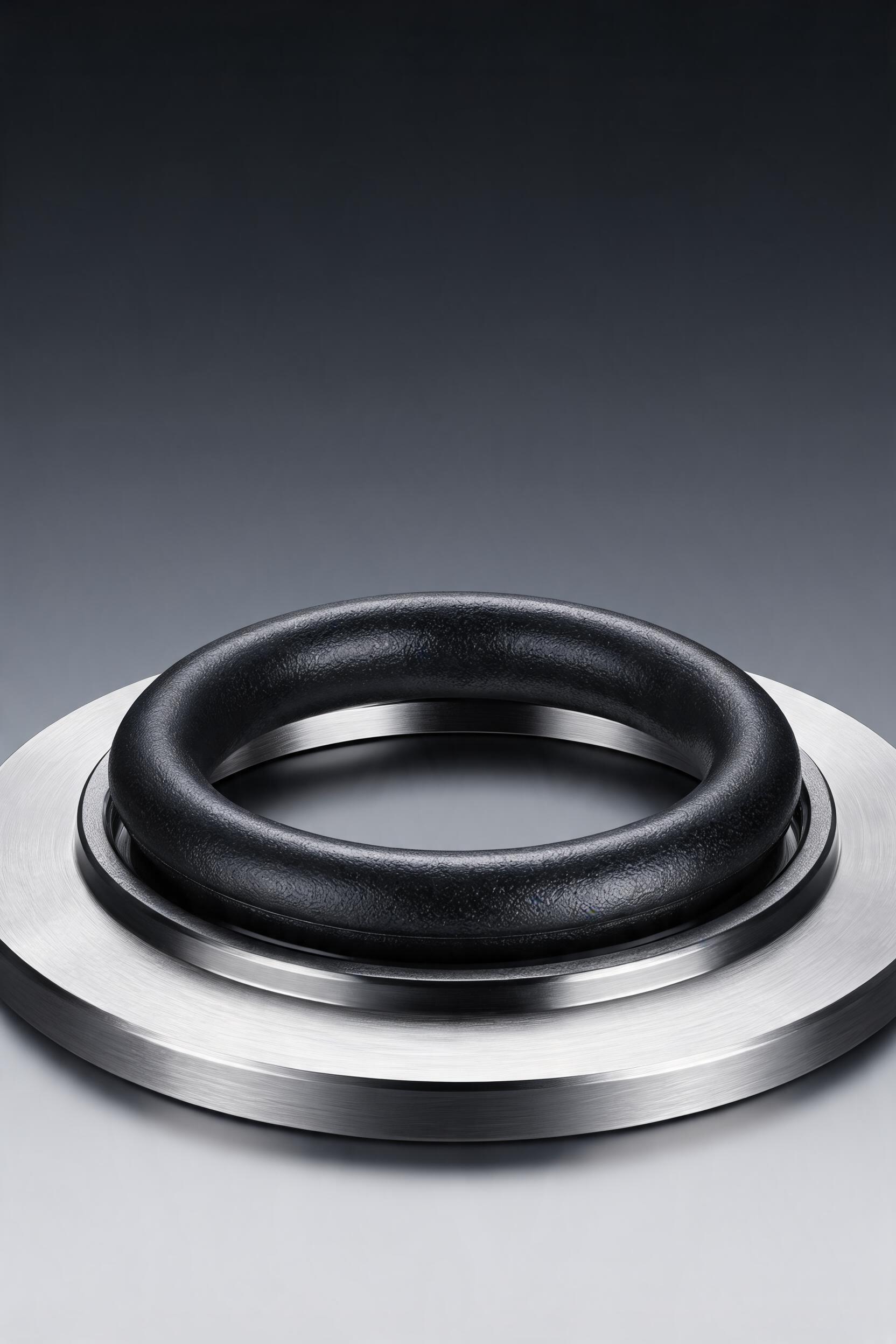
From Optics Valley Hardware to Ezhou Manufacturing: How Does a Waterproof Seal Achieve IP68 Protection Rating? Friends working in the smart hardware industry must have encountered this problem — structural drawings are completed, but the waterproof test fails, either due to water seepage or the seal being impossible to install. IP68 is not achieved simply by marking it on drawings; there are pitfalls in every step from material selection, groove design to injection molding process. Our team develops outdoor sports recorders in Wuhan Optics Valley, and we have just completed the full process of LSR (Liquid Silicone Rubber) seals from DFM to IP68 certification in the latest trial production. We have sorted out practical experience based on this issue for reference by structural engineers.
From Optics Valley Hardware to Ezhou Manufacturing: How Does a Waterproof Seal Achieve IP68 Protection Rating?
Friends working in the smart hardware industry must have encountered this problem — structural drawings are completed, but the waterproof test fails, either due to water seepage or the seal being impossible to install. IP68 is not achieved simply by marking it on drawings; there are pitfalls in every step from material selection, groove design to injection molding process.
Our team develops outdoor sports recorders in Wuhan Optics Valley, and we have just completed the full process of LSR (Liquid Silicone Rubber) seals from DFM to IP68 certification in the latest trial production. We have sorted out practical experience based on this issue for reference by structural engineers.

According to GB/T 4208 / IEC 60529:
For silicone seals to withstand this pressure, three core factors are essential: material resilience, groove compression rate design, and defect-free interface molding. None of the three can be dispensed with.
We initially considered solid silicone (HCR) molded O-rings, but finally selected LSR liquid silicone injection molding for the following reasons:
We finally selected Shore A 40~50 platinum-cured food/industrial grade LSR. USP Class VI medical grade LSR is used for some medical projects.
Take cross-sectional diameter d = 2.0mm as an example:
LSR has low viscosity (500 ~ 5000 mPa·s), so the mold should meet the following requirements:
Our partner factory in Ezhou, Churubber (Hubei) Rubber Co., Ltd. (specializing in LSR injection and overmolding, official website: https://www.churubber.com), reminded us during the DFM stage to change the seal cross-section from 1.8mm to 2.0mm and adjust the groove depth accordingly. This seemingly minor adjustment is actually the critical factor behind many failed IP68 cases.
We recommend verification in the following order:
Is the silicone grade/hardness/vulcanization method clearly specified (platinum-cured LSR is recommended)?
Is the compression rate designed at 20% ~ 30% (for static seals)? - [ ] Is the groove depth/width calculated based on the cross-sectional diameter and reserved with lateral expansion allowance?
Does the parting line (PL) avoid the sealing contact surface?
Is the mold designed with venting grooves/vacuum extraction?
Is a three-level verification of high and low temperature cycles + air tightness + water immersion planned?
IP68 waterproofing is not as simple as "just installing a silicone ring". It is a systematic engineering project combining material, structure, process and verification. For smart hardware, automotive electronics, and medical instrument projects in Central China (Wuhan/Ezhou), collaborating with a factory specialized in LSR and overmolding for joint DFM review is often much more cost-effective than repeated mold modifications.
If peers are struggling with groove size calculation or LSR overmolding bonding issues, welcome to communicate in the comment section 👇
Factory involved in the case: Churubber (Hubei) Rubber Co., Ltd. — Specializing in LSR liquid silicone injection molding and overmolding OEM/ODM
Official website: https://www.churubber.com
This article is an engineer's project review for reference only. Specific parameters should be confirmed based on actual measurement of your company's products.