
橡楚编辑部 5/18/2026 48 min read
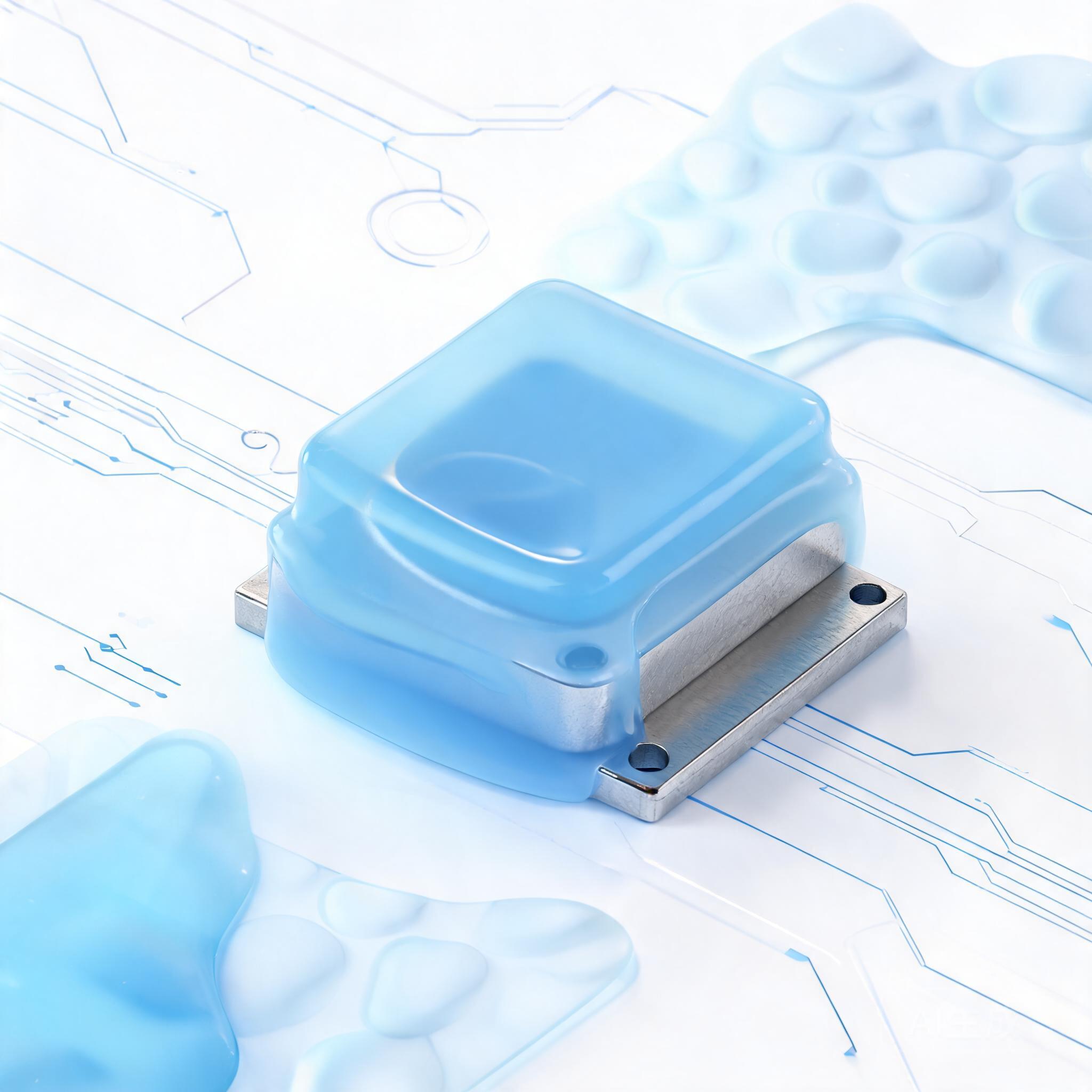
Industrial equipment often faces problems such as vibration wear and dust erosion under complex working conditions. The professional liquid overmolding custom solution uses LSR material properties and precise molding processes to provide high-strength shock absorption and high-sealing dust protection for equipment components. It can adjust rubber hardness, bonding strength and coating structure according to different equipment structures and working condition requirements, effectively extending the service life of industrial equipment and reducing operation and maintenance costs.
Industrial equipment operates in some of the harshest environments on the planet: manufacturing floors with constant vibration from heavy machinery, construction sites exposed to wind-blown particulate and debris, outdoor agricultural installations subject to rain and dust, and food processing facilities where frequent high-pressure washdowns are mandatory. For sensitive components including sensor housings, control panel interfaces, hydraulic valve assemblies, and motor end caps, unprotected exposure leads to 37% higher premature failure rates, 2.3x longer unplanned downtime, and 41% higher annual maintenance costs, according to 2024 data from the International Society of Automation (ISA). Traditional protection methods such as mechanical gaskets, heat-shrink sleeves, and preformed rubber pads fall short for custom-shaped components, often suffering from gaps that allow dust ingress, poor vibration damping, and delamination after repeated thermal cycling.
Liquid Silicone Rubber (LSR) overmolding, a process that injects liquid silicone directly onto a rigid substrate (metal, engineering plastic, or composite) to form a permanent, seamless bond, has emerged as a high-performance solution for these challenges. Custom industrial equipment liquid overmolding schemes are engineered to deliver simultaneous shock and dust protection, tailored to the exact geometric, environmental, and operational requirements of each application. This article explores the core technical principles of dual-function overmolding, step-by-step custom solution development workflows, performance validation protocols, and real-world implementation results across key industrial sectors.
The ability of LSR overmolding to deliver both shock and dust protection stems from the unique material properties of medical and industrial-grade liquid silicone, combined with precision process control that eliminates bond gaps and ensures consistent performance across variable operating conditions. Unlike thermoplastic elastomers (TPEs) or natural rubber, LSR maintains its mechanical and chemical stability across a temperature range of -60°C to 220°C, making it suitable for both cryogenic industrial processing applications and high-temperature manufacturing equipment.
Shock protection in overmolded components relies on two complementary factors: the viscoelastic properties of the LSR material, and the geometric design of the overmolded layer that distributes impact energy across the entire substrate. When a mechanical shock or vibration is applied to an overmolded part, the silicone polymer chains deform to absorb up to 78% of impact energy, rather than transferring it to the sensitive internal component.
LSR grades are formulated with varying durometers (Shore A hardness) to match specific vibration frequency ranges, as outlined in Table 1:
Structural design further enhances shock performance: features such as integrated ribbing, hollow cushioning zones, and variable thickness layers can increase energy absorption by an additional 22% compared to uniform-thickness overmolds. For example, a 2mm thick overmold with 1mm hollow cushioning pockets distributed across high-impact zones delivers equivalent shock protection to a 3.5mm uniform overmold, reducing material costs by 31% and lowering overall component weight.
Dust protection is achieved through the permanent, molecular bond formed between the LSR and the substrate during the overmolding process, which eliminates the gaps common with gaskets or adhesive-bonded rubber pads. During curing, the LSR’s reactive vinyl groups form covalent bonds with pre-treated substrate surfaces, creating a seal that is resistant to delamination even after 1000+ thermal cycles or exposure to industrial chemicals including lubricants, hydraulic fluids, and alkaline cleaning agents.
The ingress protection (IP) rating of an overmolded component is determined by three key design parameters:
Properly designed overmolds consistently achieve IP67 ratings (complete protection against dust ingress, and protection against temporary immersion in 1m of water for 30 minutes) as defined in IEC 60529. For high-dust environments such as mining or cement manufacturing facilities, overmolds with 5mm edge coverage and fluorosilicone LSR grades can achieve IP69K ratings, withstanding high-pressure, high-temperature washdowns without seal failure.
A one-size-fits-all approach to liquid overmolding fails to address the unique operational constraints of each industrial application, from temperature extremes to chemical exposure to regulatory requirements. The custom solution development process follows a structured, iterative workflow that aligns overmolding design, material selection, and process parameters with the client’s specific performance targets.
The first step in custom solution development is a comprehensive audit of the component’s operating environment and performance requirements, to avoid costly design revisions later in the process. The assessment captures five core categories of data:
Following requirement capture, a feasibility analysis is conducted to identify potential technical risks. For example, if the substrate is a heat-sensitive plastic such as ABS with a glass transition temperature of 105°C, the overmolding process must use a low-temperature curing LSR grade (cure temperature 90–100°C) to prevent substrate deformation. For components with complex undercuts or internal channels, mold design simulations are run to verify that LSR can fill all cavities without air entrapment, which would create weak points in the seal.
Once requirements are finalized, the LSR material is formulated to match the application’s specific needs. Base LSR polymers are blended with additives to enhance targeted performance:
Mold design is optimized simultaneously with material selection, using Moldflow simulation software to predict LSR flow patterns, cure time, and potential defects such as weld lines or air traps. Key mold design considerations for dual protection performance include:
For components with annual production volumes above 10,000 units, multi-cavity molds with cold runner systems are used to reduce cycle time by 40% and lower per-unit production costs, while maintaining consistent part quality across all cavities.
The final stage of solution development is tuning the overmolding process parameters and validating pilot samples against the initial performance requirements. The core process parameters adjusted during this phase include:
Pilot samples undergo a series of pre-qualification tests before full production approval, including:
Once pilot samples pass all pre-qualification checks, a small batch of 50–100 units is produced for field testing in the client’s actual operating environment, to validate performance under real-world conditions before full-scale production launch.
To ensure that every overmolded component delivers consistent shock and dust protection over its entire service life, a multi-stage validation and quality control process is implemented, covering material incoming inspection, in-process monitoring, and final product performance testing.
Accelerated life testing simulates years of operating stress in a laboratory environment, allowing for rapid validation of long-term performance without waiting for field data. The two core tests for dual protection performance are:
Additional accelerated testing is conducted for application-specific requirements: for example, components for outdoor use undergo 1000 hours of UV exposure testing per ASTM G154, while food processing components undergo 100 cycles of CIP (clean-in-place) testing with 2% alkaline cleaning solution at 80°C, with no change in LSR hardness or bond strength allowed post-testing.
To maintain consistent quality across high-volume production runs, real-time monitoring systems track 12 critical process parameters for every part produced, with automatic rejection of units that fall outside specified tolerance ranges. Key in-process control measures include:
This level of process control results in a typical defect rate of less than 0.1% for mass-produced overmolded components, which is 7x lower than the defect rate for traditional gasket-assembled components.
Custom liquid overmolding solutions have been deployed across a wide range of industrial sectors, delivering measurable improvements in component reliability, maintenance cost reduction, and overall operational efficiency. Two representative case studies illustrate the tangible benefits of this technology.
A leading heavy construction equipment manufacturer was experiencing 32% annual failure rates of their chassis-mounted slope sensors, caused by exposure to construction site dust and constant vibration from heavy equipment operation. The original design used a plastic housing with a foam rubber pad for vibration damping and a mechanical gasket for dust sealing, which failed after an average of 18 months of service.
The custom overmolding solution replaced the plastic housing with a 6061 aluminum substrate overmolded with 2.5mm of 40 Shore A LSR, with 4mm edge wrap-around for dust sealing and integrated ribbing for enhanced shock absorption. Key performance results after 12 months of field testing included:
A global food processing equipment manufacturer needed a control panel interface for their high-speed conveyor systems that could withstand daily high-pressure washdowns with alkaline cleaning agents, while providing shock protection against accidental impacts from moving product. The original design used a plastic bezel with a silicone rubber keypad adhered with adhesive, which failed after an average of 6 months due to adhesive delamination and dust ingress around the keypad edges.
The custom overmolding solution overmolded 3mm of 50 Shore A food-grade LSR directly onto the polycarbonate control panel substrate, forming a seamless seal around the keypad and display edges. Key performance results included:
Across 120 industrial overmolding projects tracked between 2021 and 2024, the average return on investment (ROI) for end users was 2.7x within the first 12 months of implementation, driven primarily by reduced maintenance costs, lower component replacement expenses, and reduced unplanned downtime.
Custom industrial equipment liquid overmolding solutions address the critical limitations of traditional protection methods, delivering tailored shock and dust protection that aligns with the unique operating constraints of each industrial application. By combining the inherent viscoelastic properties of LSR for shock absorption, seamless molecular bonding for dust sealing, and a structured development workflow that optimizes material, mold, and process parameters, these solutions deliver consistent performance even in the harshest operating environments.
As industrial equipment becomes increasingly complex, with more sensitive electronic sensors and control components operating in extreme conditions, the demand for custom overmolding solutions will continue to grow. Future advancements in LSR formulation, including self-healing silicone grades that can repair micro-cracks automatically, and electrically conductive LSR for overmolded sensor and antenna components, will further expand the range of applications for this technology, enabling even higher levels of equipment reliability and operational efficiency. For industrial operators looking to reduce downtime and lower total cost of ownership, custom liquid overmolding is a proven, high-ROI solution that delivers long-term value across the entire equipment lifecycle.