
橡楚编辑部 5/19/2026 50 min read
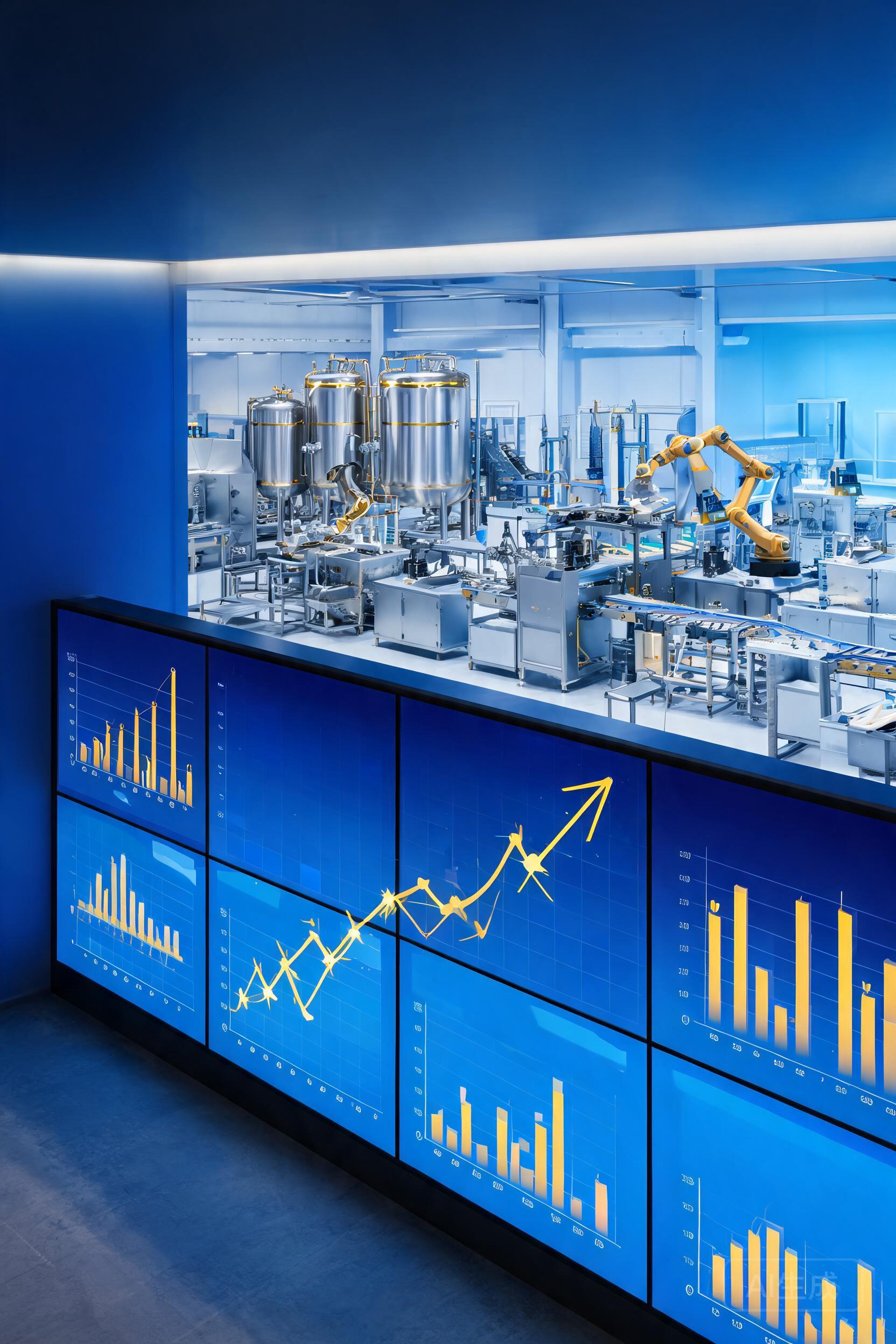
This article focuses on the latest development trend of Hubei's silicone products processing industry, analyzing how local leading enterprise Xiangchu Technology improves LSR production efficiency by 30% and reduces defect rate to below 0.5% by introducing intelligent injection molding systems, digital quality control platforms and automated production lines, providing replicable practical references for the industry's intelligent transformation.
Hubei Province, long a core hub of China’s advanced manufacturing sector, has emerged as a fast-growing center for liquid silicone rubber (LSR) and solid silicone products processing over the past decade. Driven by rising demand from downstream sectors including new energy vehicles (NEVs), medical devices, consumer electronics, and infant care, the province’s silicone processing industry has expanded at a compound annual growth rate (CAGR) of 12.7% since 2018, reaching an annual output value of RMB 42.6 billion in 2023, per data from the Hubei Advanced Manufacturing Industry Association. However, the sector has long grappled with systemic pain points: high labor dependency for post-molding trimming and quality inspection, 6–8% average material scrap rates, 15–20% order delivery delay rates for high-precision custom parts, and difficulty tracing production data for regulated sectors such as medical and automotive.
Against this backdrop, Xiangchu Silicone Technology Co., Ltd. (referred to as “Xiangchu”), a leading Hubei-based silicone processing enterprise with 16 years of industry experience and 120+ sets of LSR injection molding equipment, has emerged as a pioneer of intelligent production transformation in the regional industry. Since launching its intelligent factory upgrade initiative in 2021, Xiangchu has invested RMB 230 million to deploy end-to-end digital systems, automated production lines, and data-driven quality management frameworks, setting a replicable benchmark for small and medium-sized (SME) silicone processors in Hubei and across central China. This article analyzes the core drivers of intelligent transformation in Hubei’s silicone processing sector, the technical framework of Xiangchu’s upgrade path, its measurable operational and market impacts, and the broader industry trends it is accelerating.
The shift toward smart manufacturing in Hubei’s silicone processing ecosystem is not an isolated corporate strategy, but a response to converging policy, market, and technical demands that have reshaped the competitive landscape for regional processors.
Hubei’s provincial and municipal governments have rolled out targeted policy support to accelerate intelligent transformation in advanced manufacturing, creating a favorable enabling environment for silicone processors. The 2022 “Hubei Intelligent Manufacturing Upgrade Action Plan” provides subsidies covering 15–30% of total investment for manufacturing enterprises that deploy digital workshops and smart factories, with additional R&D tax credits of 75% for technology upgrading expenditures. For silicone processing enterprises, which often operate on thin profit margins of 8–12%, these subsidies reduce the upfront cost barrier of intelligent transformation significantly.
In addition, the rapid agglomeration of downstream high-value industries in Hubei has created localized demand for high-precision, quality-traceable silicone parts. The province is now home to 18 NEV original equipment manufacturers (OEMs) including Dongfeng Motor, Xiaopeng Motors, and BYD, with an annual production capacity of 3.5 million NEVs as of 2023, requiring over 200 types of custom silicone components per vehicle for sealing, thermal management, and sensor protection. The Wuhan Optics Valley bio-industry base, meanwhile, hosts over 400 medical device manufacturers, generating annual demand for RMB 6.2 billion worth of medical-grade silicone parts such as catheter seals, respiratory valve components, and implantable silicone implants, all of which require full production data traceability to meet NMPA (National Medical Products Administration) and FDA regulatory requirements. This localized downstream demand has forced silicone processors to upgrade their production capabilities to meet industry-specific compliance and precision standards, rather than relying on low-cost, labor-intensive mass production of generic silicone parts.
Traditional silicone processing workflows, which rely heavily on manual operation and经验-based parameter adjustment, are increasingly incompatible with the requirements of high-value downstream sectors, creating urgent pressure for transformation. First, labor intensity and associated costs are rising sharply: the average age of frontline production workers in Hubei’s silicone processing industry is now 47, with annual labor cost increases of 12–15% since 2020, and worker turnover rates of 28% during peak production seasons. For post-molding flash trimming, a particularly labor-intensive step, a skilled worker can process only 300–400 medium-sized silicone parts per day, with a manual defect rate of 3–5% due to human error.
Second, traditional production suffers from high material waste and unstable quality. For LSR injection molding, manual adjustment of injection pressure, curing time, and mold temperature can lead to batch-to-batch parameter deviations of up to 15%, resulting in an average scrap rate of 6–8% across the Hubei silicone processing industry, and up to 12% for high-precision medical parts with dimensional tolerance requirements of ±0.02 mm. For large-batch NEV component orders, even a 1% scrap rate can translate to RMB 2–3 million in annual material losses for a mid-sized processor. Third, traditional production lacks end-to-end data traceability: most processors rely on paper-based batch records, which take 3–5 days to retrieve for regulatory audits, and cannot identify the root cause of quality defects after parts have been delivered to customers, leading to product recall risks for both processors and downstream clients.
Xiangchu’s intelligent transformation is built on a three-layer technical architecture: fully automated production lines, an integrated industrial internet of things (IIoT) data platform, and a data-driven closed-loop quality management system. The upgrade has been rolled out in phases across its 35,000 m² production facility in Jingmen, Hubei, with 70% of its production lines fully automated as of 2024.
Xiangchu has replaced 90% of manual workstations in core production processes with custom automated equipment tailored to silicone processing characteristics, reducing labor dependency while improving production consistency.
Xiangchu has retrofitted 68 of its existing LSR injection molding machines with servo control systems, automatic material feeding units, and in-mold sensing modules, and deployed 22 new all-electric LSR injection molding machines with a clamping force range of 55–300 tons. Each workstation is equipped with:
The automated workstations support 24/7 unmanned operation, with each worker now able to manage 8–10 molding machines, compared to 2–3 machines per worker under the traditional model. For NEV battery sealing gasket production, the automated lines achieve a cycle time of 28 seconds per part, down from 38 seconds for manual operation, with a 32% increase in per-machine output.
To address the bottleneck of manual flash trimming, Xiangchu collaborated with a Wuhan-based intelligent equipment manufacturer to develop custom laser trimming and robotic cryogenic deflashing systems tailored to silicone part geometries. The portfolio of post-processing equipment includes:
As a result of this deployment, Xiangchu has reduced its post-processing labor force by 72% since 2021, cutting associated labor costs by RMB 28 million annually, while eliminating the variability in trimming quality caused by differing worker skill levels.
Xiangchu’s intelligent transformation is underpinned by a custom manufacturing execution system (MES) integrated with 1,200+ IIoT sensors across its production facility, enabling end-to-end data collection, analysis, and decision support.
Sensors are deployed across every stage of production, from raw material incoming inspection to finished product packaging, collecting 270+ data parameters including raw material lot number, molding temperature, injection pressure, curing time, trimming equipment ID, inspection results, and packaging batch number. All data is transmitted to a central cloud platform in real time, with a 55-inch digital dashboard in each production workshop displaying key performance indicators (KPIs) including real-time output, equipment operating efficiency, defect rate, and order completion progress.
For production managers, the platform reduces the time spent on on-site inspections by 60%, with abnormal production events (such as equipment temperature overruns or raw material shortages) automatically triggering SMS and in-app alerts within 1 second, enabling 80% of issues to be resolved before they cause production downtime. Table 1 compares key production KPIs before and after the IIoT platform deployment:
Xiangchu has built a digital twin model of its core LSR injection molding processes, combining historical production data with mold flow simulation software to optimize process parameters for new product development (NPD). For new custom part orders, the digital twin can simulate 12+ sets of injection parameters within 2 hours, predicting potential defects such as air traps, short shots, and curing inconsistency before mold trials are conducted.
This has reduced the number of required mold trials for new parts by 65%, cutting NPD lead times from an average of 25 days to 9 days, and reducing mold trial material waste by 70%. For a 2023 order of custom thermal interface silicone pads for Xiaopeng Motors’ 800V high-voltage battery platform, the digital twin model optimized the injection pressure and curing temperature parameters in advance, enabling the first batch of parts to pass customer qualification testing without rework, reducing NPD costs by RMB 120,000 for the single project.
To meet the strict traceability and quality requirements of medical and automotive downstream sectors, Xiangchu has deployed an AI-powered quality management system (QMS) that integrates in-line inspection, full data traceability, and root cause analysis.
Xiangchu has deployed 36 AI visual inspection workstations across its production lines, each equipped with 8 high-resolution cameras and a machine learning model trained on 1.2 million historical images of silicone part defects (including flash, bubbles, dimensional deviations, and surface blemishes). The inspection system achieves a detection accuracy of 99.7% for defects as small as 0.05 mm, processing 60 parts per minute, compared to 10 parts per minute for manual inspection, with a false rejection rate of less than 0.5%.
For medical-grade silicone respiratory valve parts, which require zero defects to meet FDA requirements, the AI inspection system has eliminated missed defects that previously occurred in 0.8% of manually inspected batches, reducing customer quality complaints by 92% since 2022. Each part is marked with a unique QR code after inspection, linking to its full production data record for traceability.
The QMS is integrated with the MES and enterprise resource planning (ERP) system, enabling full traceability of every silicone part from raw material incoming to end customer delivery. For medical device clients, Xiangchu can provide a digital batch record for each order, including raw material supplier qualification certificates, production process parameter logs, inspection reports, and sterilization records, which can be retrieved in 10 seconds for regulatory audits, compared to 3–5 days for paper-based records.
In 2023, Xiangchu became the first silicone processor in central China to pass both ISO 13485 medical device quality management system certification and IATF 16949 automotive quality system certification, with its traceability system specifically cited by auditors as a best practice for regulated industry supply chains. The system also supports root cause analysis for quality defects: if a batch of parts is found to have curing inconsistency, the QMS can cross-reference production data to identify the root cause (e.g., a faulty material feeding pump or incorrect curing agent ratio) within 5 minutes, enabling targeted corrective action to prevent recurrence.
Xiangchu’s intelligent upgrade has not only improved its own operational and market competitiveness, but has also driven broader transformation across Hubei’s silicone processing industry, creating spillover effects for regional industrial chain collaboration and SME upgrade pathways.
The intelligent upgrade has enabled Xiangchu to expand its market share in high-margin, regulated sectors, while reducing its operational costs to maintain price competitiveness. As of 2024, 62% of Xiangchu’s revenue comes from high-value sectors including medical devices, NEVs, and consumer electronics, up from 28% in 2020. The company has secured long-term supply contracts with 12 global Fortune 500 clients including Xiaomi, Siemens Healthineers, and Dongfeng Motor, with its 2023 annual revenue reaching RMB 780 million, a 129% increase from 2020.
The cost reductions from intelligent production have also allowed Xiangchu to remain competitive in price-sensitive segments: the company’s overall production cost per part has fallen by 23% since 2021, due to lower labor costs, reduced material waste, and higher equipment efficiency. For generic silicone part orders, Xiangchu can offer prices 5–10% lower than regional competitors with traditional production lines, while maintaining a 15% net profit margin, compared to the industry average of 8–12%.
Xiangchu has actively shared its intelligent transformation experience with other silicone processors in Hubei, launching a “Smart Manufacturing Sharing Program” in 2023 that provides technical consulting, equipment procurement group purchasing discounts, and MES system customization services for 27 regional SME silicone processors. For example, Xiangchu collaborated with 3 small medical silicone processors in Xiaogan, Hubei, to deploy a simplified version of its QMS and traceability system at 40% lower cost than independent deployment, helping the three enterprises pass ISO 13485 certification in 2023 and enter the EU medical device supply chain.
In 2022, the Hubei Silicone Industry Association established an intelligent manufacturing demonstration base at Xiangchu’s Jingmen facility, which has hosted over 300 industry visits as of 2024. According to association data, 42% of silicone processors in Hubei have launched partial intelligent transformation projects as of 2024, up from 11% in 2020, with Xiangchu’s upgrade path cited as the primary reference for 68% of these projects.
Xiangchu’s upgrade is accelerating three key emerging trends in Hubei’s silicone processing industry, which will define the sector’s development over the next 5 years. First, integrated supply chain collaboration between silicone processors and downstream NEV and medical clients will become standard: Xiangchu is currently building a 12,000 m² intelligent co-manufacturing facility in the Wuhan East Lake High-Tech Development Zone, scheduled to open in 2025, which will enable real-time data sharing with medical device clients in the adjacent Optics Valley bio-base, reducing order lead times by an additional 40% through collaborative design and pre-production parameter alignment.
Second, green and low-carbon intelligent production will become a core competitive differentiator: Xiangchu’s automated production lines reduce energy consumption per part by 27% compared to traditional lines, with the company achieving 100% recycling of silicone production scrap through a closed-loop recycling system deployed in 2023. As downstream clients increasingly require suppliers to meet carbon footprint disclosure requirements under the EU Carbon Border Adjustment Mechanism (CBAM) and corporate ESG standards, intelligent production systems that monitor and optimize energy use will become a prerequisite for participating in global supply chains.
Third, flexible intelligent production will enable mass customization of silicone parts: Xiangchu is currently piloting a modular production line that can switch between 8 different part geometries within 10 minutes, compared to 2–3 hours for traditional mold changeovers. This will enable the company to cost-effectively produce small-batch custom orders of 100–500 parts, addressing a gap in the market for low-volume, high-precision silicone parts for medical device R&D and NEV prototype production.
The intelligent transformation of Hubei’s silicone products processing industry, led by Xiangchu’s pioneering upgrade, represents a broader shift in China’s silicone manufacturing sector from low-cost, labor-intensive mass production to high-value, data-driven precision manufacturing. Xiangchu’s three-layer technical framework of automated production lines, integrated IIoT data platforms, and closed-loop intelligent quality management has delivered measurable improvements in operational efficiency, quality consistency, and regulatory compliance, proving that intelligent transformation is not only feasible but highly profitable for silicone processors, even for SMEs with limited upfront investment capacity.
As Hubei’s downstream