Introduction
The global liquid silicone rubber (LSR) market is projected to grow at a 6.8% CAGR through 2030, driven by surging demand from medical devices, automotive electrification, consumer electronics, and food contact packaging sectors. For original equipment manufacturers (OEMs) and component assemblers operating in or serving Central China—encompassing Henan, Hubei, Hunan, Jiangxi, and Anhui provinces—traditional LSR supply chains have long relied on coastal manufacturing hubs in the Pearl River Delta (PRD) and Yangtze River Delta (YRD), creating systemic cost and efficiency gaps. Long-haul logistics expenses, extended lead times, limited local technical support, and supply chain disruption risks have eroded profit margins and slowed time-to-market for regional businesses.
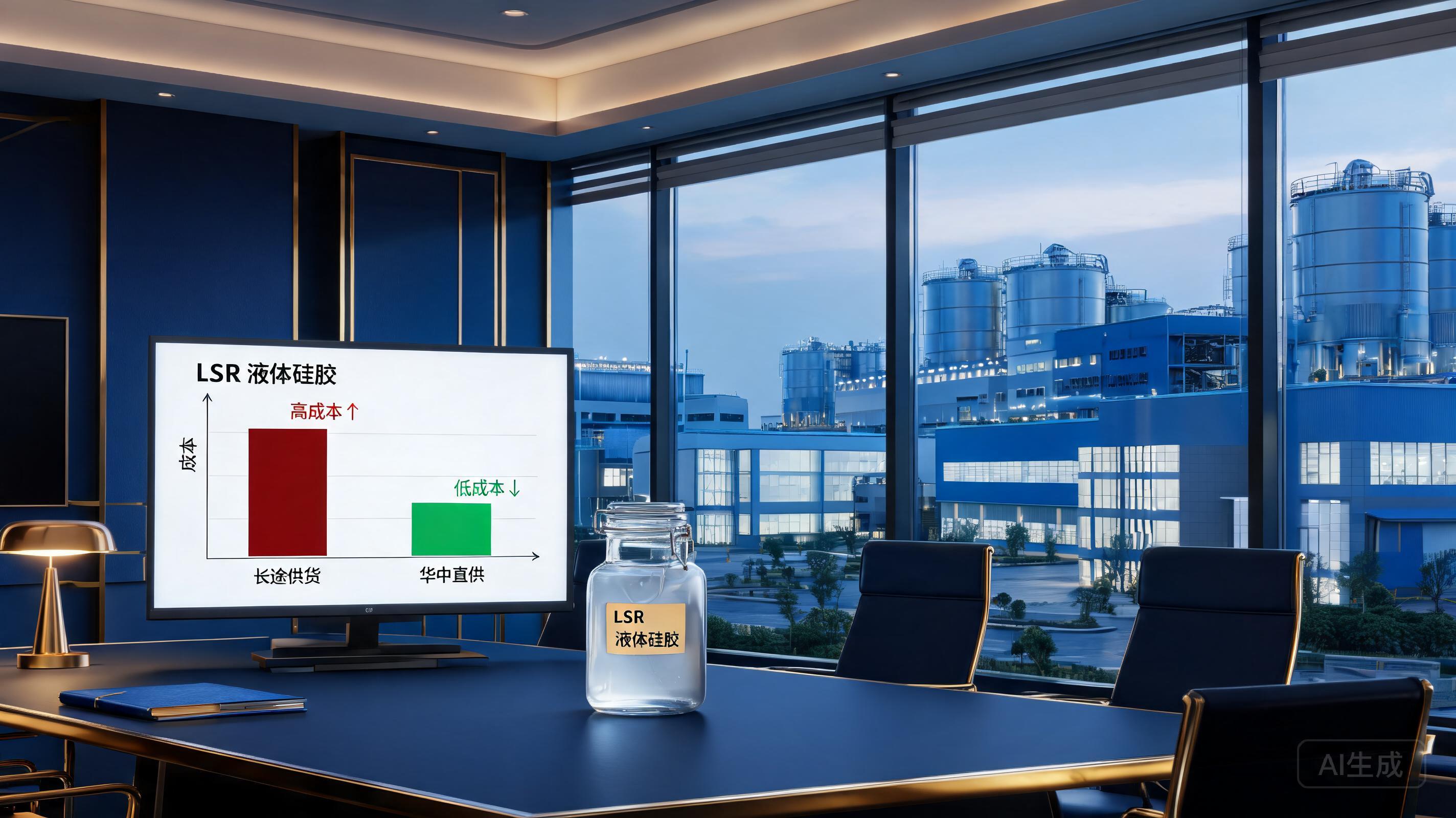
Central China LSR direct supply cooperation addresses these pain points by connecting regional buyers with local LSR compound producers, custom part molders, and material R&D facilities operating within the Central Plains economic cluster. This model eliminates 30–50% of cross-regional logistics costs, cuts lead times by 40–60%, and provides on-demand engineering support tailored to regional industry use cases. This article analyzes the cost drivers of long-distance LSR supply, the operational advantages of Central China direct supply partnerships, use cases across high-growth regional industries, and a structured framework for implementing successful direct supply agreements.
Cost Drivers of Traditional Long-Distance LSR Supply Chains
To quantify the value of local direct supply, it is first necessary to break down the hidden and explicit costs embedded in traditional long-haul LSR supply models for Central China buyers. These costs extend far beyond basic freight charges, impacting product quality, operational agility, and overall supply chain resilience.
Explicit Logistics and Tariff Cost Breakdown
LSR is a classified hazardous material in most global logistics frameworks due to its reactive platinum catalyst and flammable polymer base components, requiring specialized temperature-controlled transportation, dangerous goods handling certifications, and compliance with cross-regional transportation regulations. Table 1 outlines the per-unit cost comparison for 20kg standard pails of medical-grade LSR supplied to a Wuhan-based medical device OEM from a Shenzhen (PRD) manufacturer versus a local Hubei LSR producer:
Cost CategoryShenzhen Long-Distance SupplyCentral China Local Direct SupplyCost Reduction Percentage
Base material cost$18.2/kg$18.0/kg1.1%
Dangerous goods freight (per kg)$1.45$0.3277.9%
Cross-regional dangerous goods surcharge$0.38/kg$0100%
Transit insurance premium$0.12/kg$0.03/kg75%
Customs/regional inspection fee (for inter-provincial hazardous material transport)$0.21/kg$0100%
Warehouse storage fee (7-day safety stock buffer)$0.27/kg$0.08/kg70.4%
Total landed cost$20.63/kg$18.43/kg10.7%
For high-volume buyers purchasing 100+ tons of LSR annually, this 10.7% landed cost reduction translates to $220,000+ in annual direct cost savings. For small and medium-sized enterprises (SMEs) with order volumes of 5–10 tons per year, savings still exceed $11,000–$22,000 annually, with additional reductions from eliminated minimum order quantity (MOQ) requirements for local supply.
Long-distance supply also carries non-negotiable lead time costs: standard LTL (less-than-truckload) shipments from the PRD to Central China take 5–7 business days, with expedited air freight options adding $2.1–$3.5/kg in costs and still requiring 2–3 days of transit. In contrast, local Central China suppliers offer same-city delivery within 24 hours and inter-provincial delivery across the region within 48 hours, eliminating the need for large safety stock buffers that tie up working capital. For a typical automotive component manufacturer holding 14 days of LSR safety stock to mitigate long-haul delays, switching to local supply reduces inventory holding costs by an additional 6–8% of annual LSR spend.
Hidden Costs of Remote Supply Chain Management
Beyond explicit logistics expenses, long-distance LSR supply introduces a range of hidden costs that erode operational efficiency and product quality:
- Material degradation risk: LSR requires storage and transport at 15–25°C to prevent premature cross-linking of the A/B component mixture. Extended transit times in unregulated temperature conditions, particularly during summer and winter months, can reduce material shelf life by 30–50% and cause part defects such as incomplete curing, surface tackiness, or inconsistent durometer. A 2023 survey of Central China medical device manufacturers found that 19% of production rejects were traced to LSR material degradation during long-haul transport, adding $0.8–$1.2/kg in scrap and rework costs.
- Limited technical support response time: LSR processing requires precise adjustment of injection molding parameters, curing times, and mold release agents based on material batch characteristics and end-product requirements. Remote suppliers from coastal regions typically require 3–5 business days to dispatch field application engineers to Central China facilities, leading to extended production downtime during material or process issues. For high-volume production lines, each hour of downtime costs $1,500–$3,000 in lost output, meaning a single technical issue can erase all logistics cost savings from a year of supply.
- Supply chain disruption vulnerability: Long-haul LSR supply is exposed to risks including extreme weather events, port congestion, inter-provincial hazardous material transport restrictions, and public health emergencies. During the 2022 regional COVID-19 lockdowns, 62% of Central China LSR buyers reported supply delays of 10+ days from coastal suppliers, with 28% being forced to halt production entirely. These disruptions carry average costs of $120,000–$350,000 per event for mid-sized manufacturers, far outweighing any minor per-unit cost advantages of coastal supply.
Operational Advantages of Central China LSR Direct Supply Cooperation
Central China’s LSR industry ecosystem has matured significantly since 2018, with 12+ regional LSR compound production facilities, 40+ custom LSR part molders, and 3 dedicated material R&D centers now operating across Hubei, Henan, and Hunan provinces. This local ecosystem offers three core advantages over traditional long-distance supply models, beyond direct cost reduction.
Regional Industry Alignment and Customized Material R&D
Central China’s industrial structure is heavily concentrated in four high-LSR-demand sectors: medical devices (Wuhan Optics Valley bio-industrial base), automotive electrification (Hubei new energy vehicle (NEV) cluster, Henan automotive component hub), consumer electronics (Hunan smart device manufacturing base), and food contact packaging (Jiangxi and Anhui food processing clusters). Local LSR suppliers have tailored their product portfolios and R&D capabilities to meet these regional use cases, eliminating the need for buyers to source specialized materials from distant coastal or overseas suppliers.
Key region-specific LSR material offerings available via direct supply include:
- Medical-grade LSR for minimally invasive surgical components: ISO 13485 certified, USP Class VI compliant, with tailored low-friction and high-tensile properties for catheter balloons, surgical seal components, and wearable medical device adhesives. Local R&D teams can develop custom formulations within 2–3 weeks for regional medical device OEMs, compared to 8–12 weeks for coastal suppliers.
- High-voltage insulation LSR for NEV components: UL 94 V-0 flame retardant, 18kV/mm dielectric strength, resistant to thermal cycling from -40°C to 180°C, designed for battery pack seals, charging connector gaskets, and motor insulation components for the Hubei NEV cluster, which produces 1.8 million electric vehicles annually.
- Food-contact LSR for kitchenware and food processing parts: GB 4806.11 and FDA 21 CFR 177.2600 compliant, with low migration properties and resistance to oil and high-temperature steam, tailored for the 3,000+ food processing and kitchenware manufacturers in Jiangxi and Anhui.
Local suppliers also offer flexible MOQ terms for regional buyers: standard MOQs for custom LSR formulations are 50kg for local direct supply, compared to 500kg for coastal suppliers, making it feasible for SMEs to access specialized materials without tying up capital in excess inventory.
Integrated End-to-End Service Capabilities
Central China LSR direct supply partnerships go beyond material delivery to offer integrated end-to-end services that reduce total operational costs for buyers:
- On-site technical support: Local suppliers guarantee 4-hour on-site response times for technical issues within core Central China cities, and 24-hour response times for remote regional locations. This includes support for mold design, process parameter optimization, material compatibility testing, and quality troubleshooting, reducing production downtime by 60–70% for most buyers.
- Custom part molding and assembly: 75% of local LSR suppliers offer integrated compound production, precision injection molding, and secondary processing (such as plasma treatment, printing, and assembly) services, eliminating the need for buyers to source materials from one vendor and contract manufacturing from another. This integrated model cuts total lead times for custom part production from 4–6 weeks (coastal supply + local molding) to 1–2 weeks, with 15–20% lower total part costs.
- Circular economy and waste recycling services: Local suppliers operate on-site LSR scrap recycling facilities that process post-industrial LSR waste into regrind material for non-critical applications (such as construction seals and industrial gaskets). Buyers can return production scrap to suppliers at 15–20% of the virgin material cost, reducing waste disposal costs and lowering overall material spend by 3–5%.
Supply Chain Resilience and ESG Compliance
In an era of increasing supply chain volatility and regulatory scrutiny, Central China direct supply offers meaningful improvements to supply chain resilience and ESG (environmental, social, and governance) performance:
- Reduced carbon footprint: Long-haul road transport of LSR from the PRD to Central China generates 0.12 kg CO₂e per kg of material shipped, while local intra-regional transport generates only 0.03 kg CO₂e per kg, a 75% reduction in transport-related emissions. For a buyer purchasing 100 tons of LSR annually, this translates to a 9-ton reduction in annual scope 3 emissions, supporting compliance with corporate carbon neutrality targets and EU CSRD (Corporate Sustainability Reporting Directive) requirements for export-oriented manufacturers.
- Localized inventory buffers: Most Central China LSR suppliers maintain 15–30 days of safety stock for standard material grades in regional warehouses, ensuring supply continuity during peak demand periods or transport disruptions. Unlike coastal suppliers, which prioritize large coastal OEMs during material shortages, local suppliers prioritize regional direct supply partners, reducing the risk of production halts by 80% according to 2024 industry data.
- Regulatory compliance support: Local suppliers have in-depth knowledge of Central China regional regulatory requirements for hazardous material storage, transport, and waste disposal, reducing the risk of non-compliance fines for buyers. For example, Hubei province’s 2023 hazardous material transport regulations require inter-provincial LSR shipments to undergo 48-hour advance inspection and approval, a process that local suppliers handle on behalf of direct supply partners, eliminating administrative burdens for buyers.
Industry-Specific Use Cases and Quantified Benefits
Central China LSR direct supply cooperation delivers differentiated value across the region’s core high-growth industries, with measurable cost and efficiency improvements verified by early adopters. The following case studies highlight real-world outcomes for regional manufacturers.
Medical Device Manufacturing (Wuhan Optics Valley Cluster)
Wuhan is home to 1,200+ medical device manufacturers, producing 25% of China’s minimally invasive surgical components and 18% of wearable patient monitoring devices. A leading Wuhan-based catheter manufacturer with 200 tons of annual LSR consumption switched from a Shanghai-based LSR supplier to a local Hubei direct supply partner in 2023, achieving the following results:
- Cost reduction: 11.2% reduction in total landed LSR cost, translating to $292,000 in annual direct savings, plus an additional $87,000 in annual savings from reduced scrap related to material degradation during transit.
- Lead time reduction: Material delivery lead times cut from 6 days to 24 hours, reducing safety stock requirements from 14 days to 3 days, freeing up $1.2 million in working capital previously tied up in inventory.
- R&D acceleration: Custom low-friction LSR formulation for catheter balloons developed in 18 days, compared to 10 weeks for the previous Shanghai supplier, enabling the company to launch a new product line 3 months ahead of schedule, generating $4.8 million in incremental annual revenue.
For medical device manufacturers, direct supply also reduces regulatory compliance risks: local suppliers provide complete material traceability documentation aligned with NMPA (National Medical Products Administration) requirements, eliminating delays in product registration approval caused by incomplete or delayed documentation from remote suppliers.
New Energy Vehicle Component Manufacturing (Hubei and Henan NEV Clusters)
Central China produces 22% of China’s new energy vehicles, with major OEMs including Dongfeng, BYD, and Xiaopeng operating manufacturing facilities in Hubei and Henan. A Henan-based NEV charging component manufacturer with 150 tons of annual LSR consumption for charging connector gaskets switched from a Guangdong-based supplier to a local Henan direct supply partner in 2022, achieving:
- Cost reduction: 9.8% reduction in total landed LSR cost, plus 12% reduction in total part cost via integrated local molding services, generating $315,000 in annual savings.
- Quality improvement: Reject rates for LSR gaskets fell from 2.1% to 0.4% due to reduced material degradation during transit, saving $46,000 annually in scrap and rework costs.
- Supply continuity: During the 2023 summer flood events that disrupted inter-provincial transport across Central China, the local supplier maintained uninterrupted delivery via intra-city transport, while 60% of competing component manufacturers relying on coastal supply experienced production delays of 7+ days, enabling the company to capture an additional 8% market share that year.
Food Contact Packaging and Kitchenware Manufacturing (Jiangxi and Anhui Clusters)
Jiangxi and Anhui are home to 3,200+ food contact packaging and kitchenware manufacturers, exporting $7.8 billion in products annually to the EU, North America, and Southeast Asia. A medium-sized Jiangxi-based silicone kitchenware manufacturer with 12 tons of annual LSR consumption switched from a Shenzhen-based supplier to a local Jiangxi direct supply partner in 2023, achieving:
- Cost reduction: 13.1% reduction in total landed LSR cost, translating to $28,600 in annual savings, a significant sum for an SME with $12 million in annual revenue.
- MOQ flexibility: Custom color-matched food-grade LSR formulations available with 50kg MOQs, compared to 500kg MOQs from the previous Shenzhen supplier, reducing excess inventory waste by 85% and freeing up $62,000 in working capital.
- Regulatory support: Local supplier provided third-party testing documentation for FDA and EU food contact regulations within 3 business days of material delivery, compared to 2–3 weeks for the previous supplier, reducing product launch lead times for new SKUs by 30%.
Framework for Implementing Central China LSR Direct Supply Partnerships
While the benefits of local direct supply are clear, successful implementation requires a structured vendor evaluation, transition, and ongoing management process to ensure material quality, cost stability, and supply continuity. The following framework is based on best practices from 20+ Central China manufacturing firms that have successfully transitioned to local LSR supply.
Vendor Evaluation and Qualification Process
The first step is to conduct a rigorous evaluation of potential local LSR suppliers to ensure they meet technical, quality, and operational requirements:
- Material certification verification: Confirm that suppliers hold relevant industry certifications for your use case, including ISO 13485 for medical applications, IATF 16949 for automotive applications, and FDA/GB food contact certifications for food-related applications. Request batch test reports for the past 12 months to verify consistent material performance.
- **On-site facility audit: Conduct in-person audits of production facilities, R&D labs, and warehouse operations to evaluate quality control processes, production capacity, and safety stock levels. Key audit metrics include:
- Production capacity: Ensure the supplier has 20–30% excess capacity to accommodate your peak demand requirements
- Quality control capabilities: Verify the presence of in-house material testing equipment including durometers, tensile testers, rheometers, and dielectric strength testers
- Supply chain redundancy: Confirm the supplier has dual-sourced raw material feedstock (silicone polymer, catalyst, crosslinker) to avoid raw material shortages
- Pilot material testing: Conduct a 2–4 week pilot production run with the supplier’s material to validate performance against your existing production processes and end-product quality requirements. Measure key metrics including curing time, part dimensional accuracy, reject rates, and long-term durability to ensure equivalence or superiority to your existing material.
Transition and Supply Chain Integration
Once a supplier is selected, a phased transition process minimizes disruption to existing production:
- Dual-sourcing phase: For the first 3–6 months, maintain 30–50% of your LSR supply from your existing supplier while increasing the share of local supply gradually. This provides a safety buffer during the transition period while you validate the consistency of local supply.
- Inventory alignment: Work with the local supplier to establish a just-in-time (JIT) delivery schedule aligned with your production planning cycles. Most local suppliers offer weekly or bi-weekly delivery for standard material grades, with same-day emergency delivery options for unexpected demand spikes.
- Technical team alignment: Conduct joint training sessions between your production engineering team and the supplier’s application engineering team