
橡楚编辑部 6/14/2026 41 min read
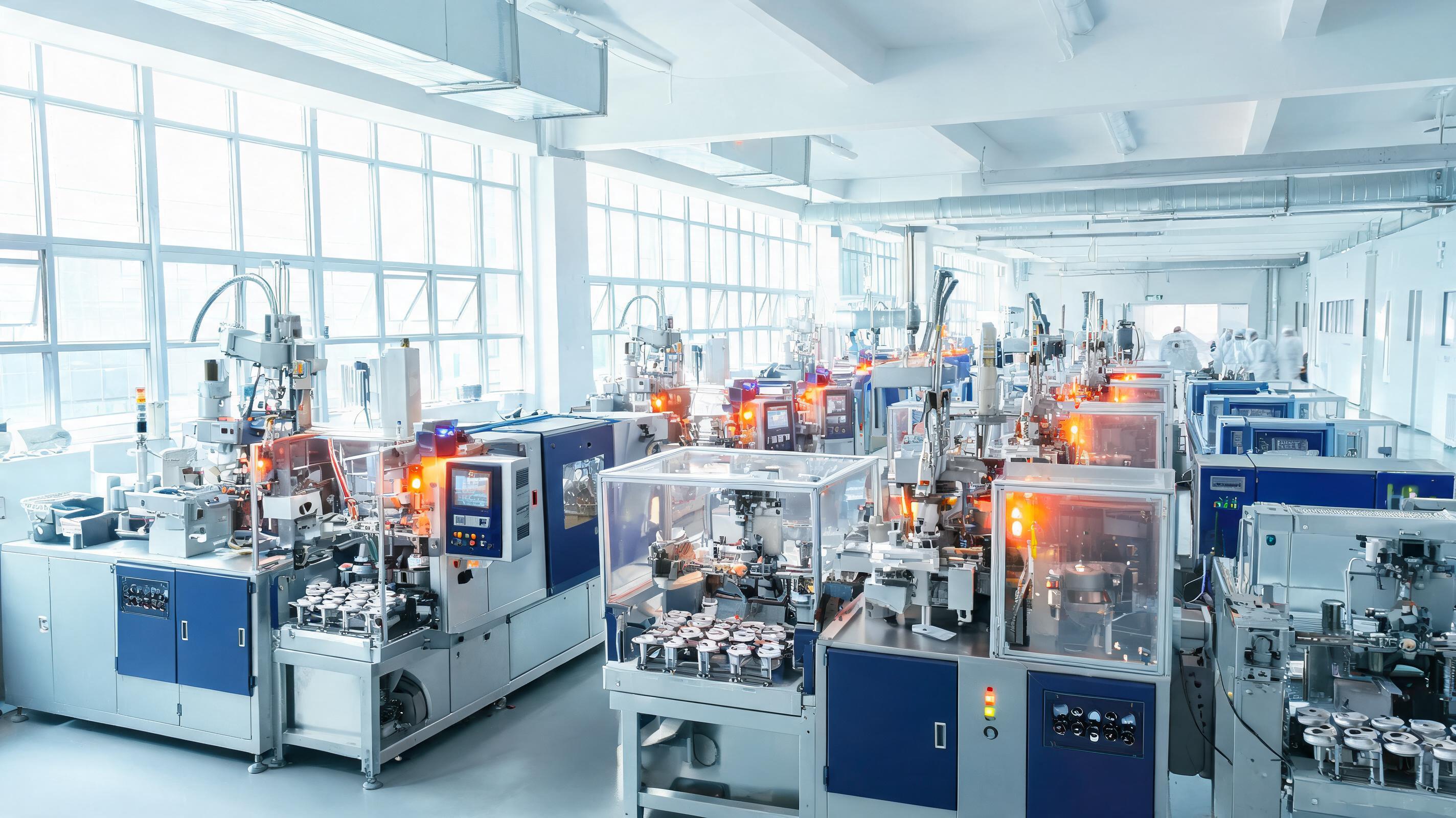
This article sorts out 5 key truths about biocompatibility and clean production in the manufacturing process of medical-grade liquid silicone rubber valve discs, helping you clarify the core requirements for the production of medical-grade LSR products. Xiangchu (Hubei) Rubber Co., Ltd. is located in Ezhou, Hubei, holds ISO 9001 certification, and focuses on production and customization of liquid silicone rubber products.
Liquid Silicone Rubber (LSR) valve flaps are critical components in a wide range of medical devices, from infusion pumps and inhalers to enteral feeding systems and sterile fluid transfer equipment. Unlike general industrial silicone components, medical-grade LSR valves must meet extremely strict requirements for biocompatibility, microbial control, dimensional consistency, and long-term functional reliability. A small defect in material formulation or production processing can lead to device failure, patient adverse reactions, or product recalls that cost millions of dollars.
Many device designers and procurement teams have misconceptions about how medical-grade silicone valve flaps are manufactured. Some assume that any LSR producer can make medical-grade products simply by using a certified raw material, while others believe that cleanroom production alone guarantees full compliance with global regulatory standards. In this article, we break down 5 core truths about medical LSR valve manufacturing, focusing on two non-negotiable requirements: biocompatibility and clean production. At 橡楚(湖北)橡胶有限公司, we specialize in custom Liquid Silicone Rubber (LSR) products for medical applications, operating from our facility at 湖北省鄂州市鄂城区经济开发区凡口街道内河巷54号, with ISO 9001 certification guiding all our production processes.
Biocompatibility—the ability of a material to perform with an appropriate host response in a specific medical application—is the foundation of any safe medical silicone component. A common misconception is that biocompatibility can be "achieved" by testing a finished valve flap after manufacturing, even if low-quality or non-certified raw materials are used. In reality, biocompatibility is designed into the product from the very first step: raw material selection.
Not all "medical-grade" LSR raw materials are equal. Global regulators such as the U.S. FDA and EU ISO distinguish between different classes of medical materials based on duration of patient contact:
At 橡楚(湖北)橡胶有限公司, we only source LSR raw materials from globally approved suppliers that provide full material traceability and compliance with ISO 10993 and FDA 21 CFR Part 177.2600. We never blend uncertified regrind material into medical-grade production batches, even if it would reduce production costs.
One of the most common contributors to biocompatibility failure is the use of unapproved additives in LSR formulations. Lower-cost producers often add fillers, plasticizers, or curing agents that meet industrial specifications but do not meet medical requirements. For example:
To avoid these risks, our formulation team at 橡楚(湖北)橡胶有限公司 strictly controls every component of the LSR compound we use for medical valve flaps. We document every additive, confirm its regulatory status, and test every batch for residual leachables and extractables before production begins.
A common misunderstanding about medical LSR manufacturing is that placing production equipment in a cleanroom automatically guarantees the required level of product cleanliness. In reality, clean production is a holistic system that covers facility design, process flow, personnel management, and post-processing contamination control. A dirty process in a cleanroom will still produce contaminated components that fail regulatory inspection.
At our production facility in 湖北省鄂州市鄂城区经济开发区凡口街道内河巷54号, we designed our medical production area with unidirectional process flow to eliminate cross-contamination between raw material staging, molding, post-processing, and packaging. Key controls include:
Even the most well-designed cleanroom will become contaminated without strict personnel protocols. All staff working on medical LSR valve production at 橡楚(湖北)橡胶有限公司 complete mandatory training in cleanroom hygiene before entering the production area, and follow these non-negotiable rules:
We also conduct regular airborne particle counting and surface microbial testing of our cleanroom zones, with all results documented as part of our ISO 9001 quality management system.
The LSR injection molding and curing process is far more critical for medical valve flaps than for general silicone components. Silicone valve flaps rely on precise elastic modulus, compression set resistance, and low residual contaminants to function correctly: they need to open and close thousands of times without sticking, deforming, or leaching harmful substances. Improper curing is a leading cause of both biocompatibility failure and premature valve failure.
LSR is a platinum-catalyzed thermoset material, meaning it crosslinks into a solid elastic structure when heated. If curing is incomplete, unreacted monomers and crosslinkers remain in the silicone matrix, which can leach out during use and cause biocompatibility test failure. Over-curing, on the other hand, can make the valve flap too brittle, leading to cracking after repeated cycling.
For medical LSR valve flaps, we use a two-stage curing process at 橡楚(湖北)橡胶有限公司 to balance mechanical performance and low residuals:
We test every curing batch for residual extractables using gravimetric analysis and GC-MS to confirm compliance with regulatory limits before moving valves to the next production stage.
Silicone valve flaps require extremely tight dimensional tolerances, often ±0.02mm for sealing surfaces, to ensure consistent cracking pressure and leak-proof performance. Variations in curing temperature or pressure can lead to shrinkage or warpage that makes the valve fail functional testing.
Our process control parameters for medical valve molding are summarized below:
All our injection molding machines are connected to a centralized process monitoring system that logs every parameter in real time, so we can trace every production batch back to exact processing conditions for quality audits.
Even after proper curing and molding, medical LSR valve flaps can pick up trace contaminants from mold release, handling, and processing equipment. Many manufacturers skip or cut corners on post-processing cleaning, assuming that the biocompatibility of the raw material is enough. This is one of the most common mistakes that leads to failed regulatory audits or patient safety incidents.
At 橡楚(湖北)橡胶有限公司, our post-processing cleaning is validated to remove all visible and invisible contaminants, including processing additives, silicone flash residues, and microbial contaminants. Our standard multi-step cleaning process is:
We do not rely on process alone to guarantee cleanliness. Every cleaning batch is tested for the following parameters to confirm effectiveness:
All cleaning validation data is retained as part of our device master record, available for customer or regulatory audits at any time. We hold ISO 9001 certification for our quality management system, which requires regular revalidation of all critical processes including cleaning.
Global regulators including the FDA, EU MDR, and NMPA require full traceability for all medical device components, from raw material sourcing to final delivery to the device manufacturer. Many smaller LSR producers do not maintain full traceability systems, assuming that regulators will not audit the component supply chain. This leaves device manufacturers exposed to massive regulatory and liability risks if a problem is found.
At 橡楚(湖北)橡胶有限公司, we maintain a batch-level traceability system that tracks every component through every stage of production. For any medical valve batch delivered to a customer, we can provide full documentation for:
All records are retained for a minimum of 10 years after product delivery, in line with global medical device regulatory requirements. Our facility at 湖北省鄂州市鄂城区经济开发区凡口街道内河巷54号 maintains both digital and physical backups of all quality records to prevent data loss.
Full traceability is not just for regulatory compliance. It provides tangible benefits for all stakeholders:
Manufacturing safe, reliable medical-grade LSR valve flaps requires far more than just using medical-grade raw material and placing production in a cleanroom. As we have outlined, the five core truths of medical LSR valve manufacturing are:
At 橡楚(湖北)橡胶有限公司, we follow these core principles every day in our production facility located at 湖北省鄂州市鄂城区经济开发区凡口街道内河巷54号. With our ISO 9001 certified quality management system and focus on biocompatibility and clean production, we partner with medical device manufacturers around the world to produce custom LSR valve flaps that meet the strictest global regulatory standards. If you are looking for a reliable partner for medical-grade LSR components, contact us at 18071171144 or email us at churubber@163.com to discuss your project requirements.