
橡楚编辑部 6/13/2026 46 min read
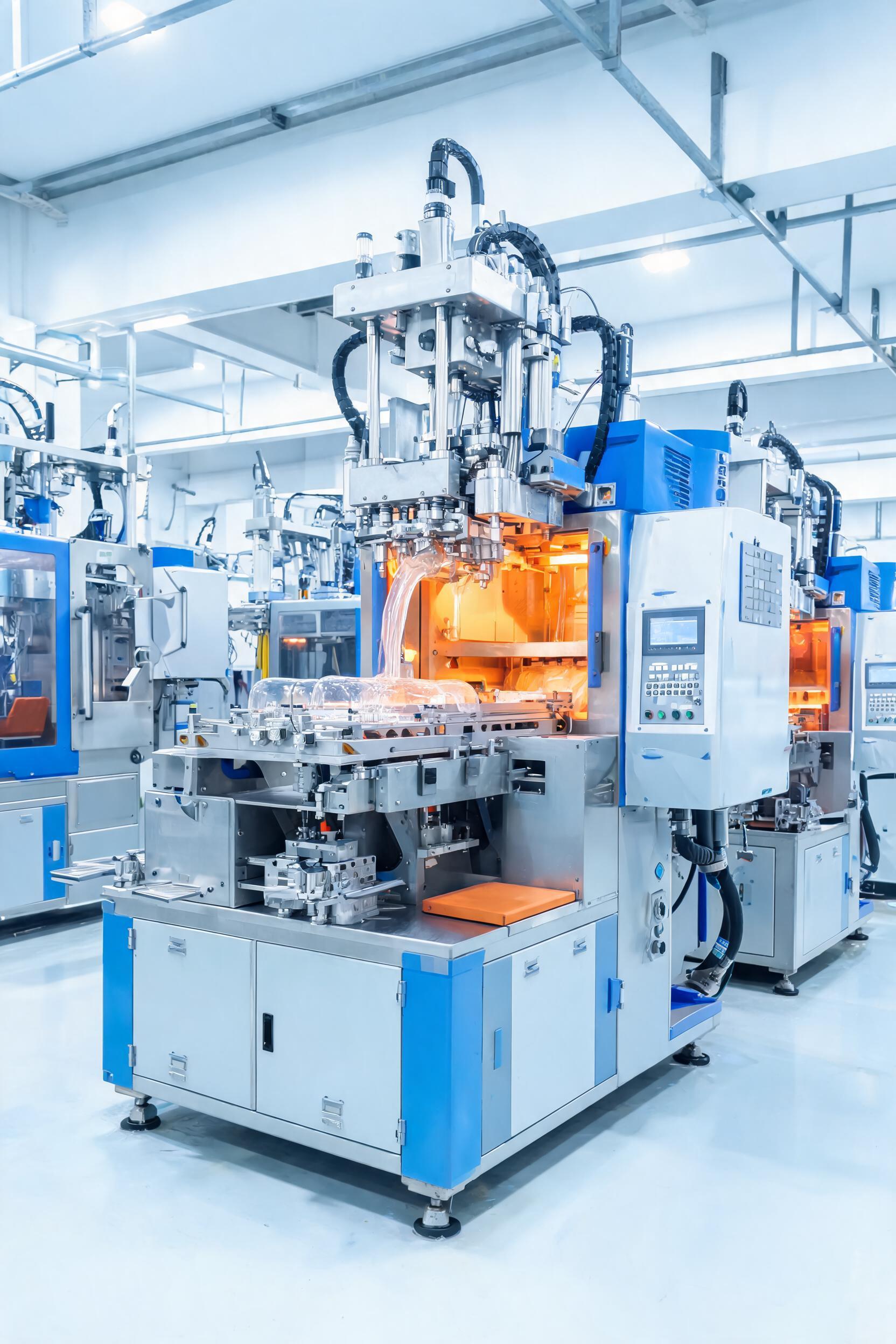
For rubber manufacturers with 15 years of production experience transitioning to liquid silicone rubber (LSR) injection molding, the biggest challenge of the first order is often not purchasing equipment, but the connection of process adaptation, mold matching and quality control. We share core pain points in transition based on industry practical experience. Xiangchu (Hubei) Rubber Co., Ltd. is located in Ezhou, Hubei, with ISO 9001 certification, focusing on LSR products.
For nearly 15 years, our team at 橡楚(湖北)橡胶有限公司 built our core expertise around solid rubber compounding, compression molding, and conventional molded rubber parts manufacturing. Based in 湖北省鄂州市鄂城区经济开发区凡口街道内河巷54号, we served domestic and regional industrial clients with custom solid rubber components for automotive, consumer goods, and industrial equipment applications. By 2018, we began to see a clear market shift: growing demand for high-precision, micro-scale liquid silicone rubber (LSR) parts for medical devices, baby products, and wearable electronics, with clients increasingly requiring the faster cycle times and design flexibility that only liquid silicone injection molding can deliver.
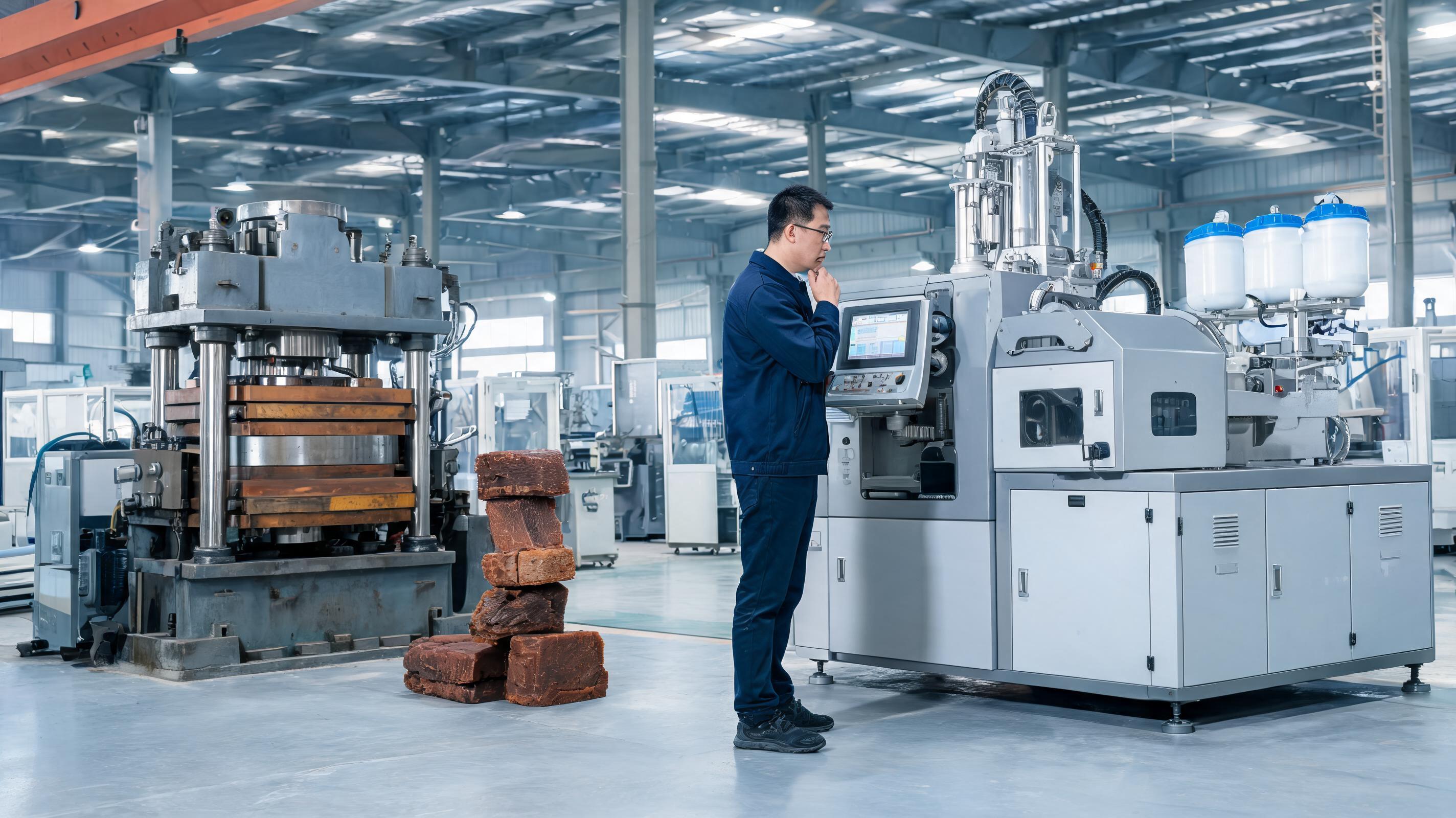
After 15 years in solid rubber manufacturing, transitioning to LSR injection molding felt like a natural evolution of our capabilities. Like most manufacturers considering this shift, our first assumption was that the biggest challenges would be securing capital for new injection molding equipment, training operators to handle liquid material systems, and calibrating new production lines. We invested in new horizontal LSR injection molding machines, upgraded our cold runner systems, and brought in technical consultants to train our team. What we did not anticipate was that the single hardest barrier to delivering our first commercial LSR order would not be equipment or operations—it would be material formulation and process validation tailored to the unique properties of LSR.
In this article, we break down the key lessons we learned through our transition, the unforeseen challenges we overcame, and actionable insights for other rubber manufacturers considering a shift to LSR injection molding.
Before diving into the challenges of our transition, it is critical to outline the fundamental differences between conventional solid rubber manufacturing and LSR injection molding that create new requirements for material and process development. After 15 years working with solid rubber, we had to unlearn many standard operating assumptions to succeed with LSR.
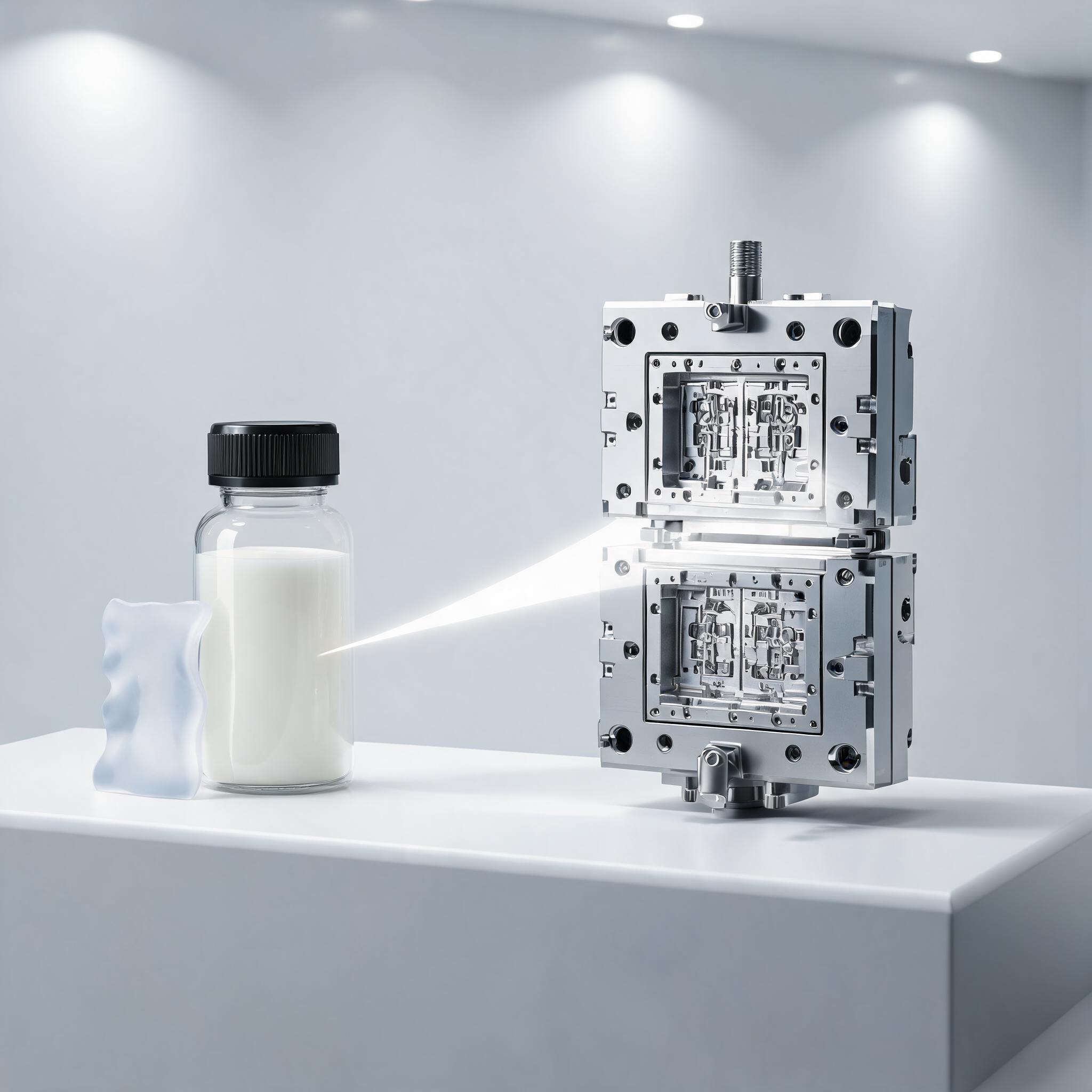
Solid rubber for compression molding is supplied as a pre-compounded, solid gum or sheet product, with curing agents already mixed in during material preparation. Curing typically occurs at elevated temperatures (150–180°C) over 2–15 minute cycles, depending on part thickness. LSR, by contrast, is a two-part platinum-cured liquid system: Part A contains the platinum catalyst and base polymer, while Part B contains the cross-linker and inhibitor. The two parts are mixed in a fixed 1:1 ratio by an automated pumping system immediately before injection, and curing occurs via a polyaddition reaction that produces no byproducts.
Table 1 below summarizes the key material property differences between solid rubber and LSR that impact production:
This fundamental difference in curing kinetics creates sensitivity to contaminants that most solid rubber manufacturers never have to account for—an issue that caused our first major setback in our initial trial runs.
In solid rubber compression molding, the tool is typically a simple open cavity with manual loading of pre-cut solid rubber blanks. Flash is expected and removed via secondary trimming operations. LSR injection molding, by contrast, requires closed cavity precision tools with tightly controlled cold runner systems to prevent premature curing of material in the runner. Because LSR has a much lower viscosity than solid rubber, it can flow into extremely thin cavities (as thin as 0.1mm), but it also requires much tighter clamping force and venting to avoid trapped air and incomplete filling.
After 15 years building solid rubber tools, we adjusted our tooling design processes relatively quickly with consultant support. What we could not adjust for was an invisible issue that plagued our first 10 trial runs: cure inhibition that left parts soft, sticky, and dimensionally unstable.
After we installed our new LSR injection molding line, calibrated our mixing ratio, and produced our first set of tools for an baby product client’s silicone nipple order (our first commercial LSR project), we encountered a consistent problem: 100% of the trial parts failed to cure fully. Even when we extended cure time by 3x and increased mold temperature by 20°C, the surface of the parts remained tacky, and the durometer measured 10–15 points lower than our target specification.
After three weeks of troubleshooting, we finally identified the root cause: catalyst poisoning from residual contaminants that were completely harmless in solid rubber manufacturing, but fatal to platinum-cured LSR. This was the single hardest challenge of our entire transition, and one that very few transition guides for LSR injection molding highlight for manufacturers coming from solid rubber backgrounds.
Platinum catalysts used in LSR curing are extremely sensitive to a range of chemical contaminants that are common in any conventional rubber manufacturing facility. Many of these contaminants are introduced from legacy processes that we had been using for 15 years without issue. Table 2 below lists the contaminants we identified in our facility, and their impact on LSR curing:
In our case, the root cause was residual sulfur from solid rubber release agents that had built up on our workshop workbenches, and was transferred to the LSR mold cavity via operator gloves during tool setup. We also found trace amounts of solid rubber dust in our new LSR material storage area, which added additional sulfur contamination to raw material pails before they were loaded into the pumping system.
This issue was completely invisible to our team at first: none of the visual checks for tool cleanliness we used for solid rubber caught the trace sulfur contamination that was enough to poison the platinum catalyst. Only 5 parts per million of sulfur is enough to inhibit LSR curing, which is far below the threshold of visual detection.
After identifying the root cause of our curing issues, we implemented a multi-stage contamination control protocol that eliminated the problem, and has remained our standard operating procedure for LSR production ever since. For other manufacturers transitioning from solid rubber to LSR injection molding, these steps are the most critical takeaway from our 15 years of rubber experience:
After implementing these changes, our cure rate improved from 0% acceptable parts to 98% acceptable parts in our next trial run, and we were able to deliver our first commercial order to the baby product client on schedule.
Once we solved the contamination problem, we encountered a second less severe but still critical challenge: adjusting our 15 years of solid rubber quality control and formulation expertise to fit LSR requirements. Many manufacturers assume that LSR is only supplied as pre-formulated material from raw material suppliers, but for custom injection molded parts, you still need to adjust formulations to meet specific client requirements, and that requires new quality control processes.
For solid rubber custom parts, we regularly adjust formulations to meet durometer, chemical resistance, and tensile strength requirements by changing the ratio of polymer, filler, curing agent, and additives. For LSR, the same need for custom formulation exists, but the constraints are very different: any additive you introduce must not poison the platinum catalyst.
We learned this through our second commercial LSR project: an industrial seal for a hydraulic equipment client that required 20% higher tensile strength than standard off-the-shelf LSR. Our first attempt added a common reinforcing filler that we had used for decades in solid rubber seals, but the filler contained residual stearic acid that poisoned the catalyst, leading to partial cure failure again.
To address this, we developed an approved additive list for LSR formulations, with pre-testing for catalyst compatibility for every additive before it is used in production. Table 3 below shows our standard pre-approval test protocol for LSR formulation additives:
This pre-testing protocol adds a small amount of upfront time to custom formulation development, but eliminates the risk of cure failure or non-conforming parts after full production runs.
At 橡楚(湖北)橡胶有限公司, we have maintained ISO 9001 certification for many years, and we were able to adapt our existing quality management system to LSR production with targeted adjustments for LSR-specific risks. Key changes we made to our quality control process include:
These adjustments ensure that we maintain consistent quality across all LSR production runs, aligned with our ISO 9001 certification requirements.
After successfully delivering our first LSR order and establishing our production processes, we focused on optimizing production costs to make LSR injection molding a sustainable, profitable line of business for our company. Coming from 15 years of solid rubber manufacturing, we had a lot of existing operational expertise to leverage, but we also had to adjust our cost models to fit LSR production.
One of the biggest cost drivers for new LSR injection molding operations is material waste. LSR raw material is typically more expensive than solid rubber, so reducing waste has a direct impact on profitability. The key waste reduction changes we implemented were:
One of the biggest advantages we had as an experienced rubber manufacturer transitioning to LSR was our existing knowledge of rubber application requirements for different industries. For example, we already understood the performance requirements for automotive seals, industrial gaskets, and consumer product rubber components from 15 years of solid rubber production. This allows us to help clients adjust LSR formulations and part designs to meet performance requirements faster than new LSR manufacturers that do not have the same application expertise.
For example, when a client came to us with a wearable electronics silicone seal requirement, we were able to draw on our existing experience with water-resistant rubber seals to recommend a Shore A durometer and additive package that met the IP67 water resistance requirement on the first trial, reducing development time for the client by 2 weeks.
After 15 years manufacturing conventional solid rubber products, transitioning to liquid silicone rubber injection molding has been a valuable growth opportunity for 橡楚(湖北)橡胶有限公司. We entered the transition expecting the biggest challenges to be equipment investment, operator training, and tooling design—all challenges that we were able to solve with standard industry support and investment. The hardest challenge we faced, and the one that almost delayed our first order by months, was the invisible issue of contamination control and catalyst poisoning, a risk that is unique to platinum-cured LSR and largely unaddressed in transition guides for manufacturers coming from solid rubber backgrounds.
For other rubber manufacturers considering a transition to LSR injection molding, our core lesson is this: invest in segmented production facilities and strict contamination control before you invest in new equipment. Even the most advanced LSR injection molding machine will not produce acceptable parts if trace contaminants from your existing solid rubber operations poison the platinum catalyst. At 橡楚(湖北)橡胶有限公司, based in 湖北省鄂州市鄂城区经济开发区凡口街道内河巷54号, we have built our LSR injection molding capabilities on 15 years of rubber manufacturing expertise, strict ISO 9001-aligned quality control, and rigorous contamination control protocols that allow us to deliver high-quality custom LSR parts to global clients consistently.
If you are looking for a reliable custom LSR injection molding partner with deep rubber industry expertise, contact us at 18071171144 or email us at churubber@163.com to discuss your project requirements.